
Ever thought about putting your furry friend on a vegan diet? It’s not as simple as swapping their kibble for carrots!
Here’s everything you need to know to make the transition smooth and safe.
1. Understand WHY You Want to Make the Switch

Is it for ethical reasons, health concerns, or environmental benefits? Knowing your motivation can help you stay committed and informed.
It will also guide your research and decision-making, ensuring you choose the best options for your pet’s needs. This clarity can also help you communicate your choices to your vet and others involved in your pet’s care.
2. You Should Check with Your Vet First

Always consult with your veterinarian before making any drastic changes to your pet’s diet. They’ll provide personalised advice and help you avoid potential health risks.
Your vet can also run baseline health checks to monitor your pet’s condition before and after the transition so that any negative impacts are caught early.
They can also recommend specific supplements to maintain your pet’s health.
3. Research Vegan Pet Foods

Not all vegan pet foods are created equal. Look for reputable brands with balanced nutrition profiles. This helps make sure your pet gets all the essential nutrients they need.
Check for third-party certifications and reviews to verify the quality and safety of the products. Also, be aware of any recalls or issues reported by other pet owners, which can provide insights into the reliability of the food brand you choose.
4. Gradual Transition is Key
Sudden changes can upset your pet’s stomach. Gradually mix the new vegan food with their current diet, increasing the vegan portion over a few weeks.
This gradual approach allows your pet’s digestive system to adjust without causing discomfort or gastrointestinal issues.
Monitor your pet for any signs of adverse reactions, such as changes in appetite, energy levels, or stool consistency and adjust the transition pace accordingly.
5. Know How Much Protein Your Pet Requires
Dogs and cats need adequate protein for muscle maintenance and overall health. Make sure the vegan food you choose is rich in plant-based proteins like peas, lentils and quinoa. These proteins should be complemented with a variety of amino acids to ensure complete nutrition.
6. Don’t Forget About Taurine

Taurine is an amino acid not naturally found in plant-based diets but is especially vital for cats. To prevent deficiencies, make sure the vegan food you give your pet is fortified with taurine.
Taurine deficiency can lead to serious health issues in cats, such as heart disease and vision problems. Regular vet check-ups and blood tests can help ensure your pet maintains healthy taurine levels.
Read more: The Essential Supplements That Every Vegan Should Consider
7. Monitor Vitamin B12 Intake
Vitamin B12 is important for your pet’s nervous system and blood health. Since it’s not naturally found in plants, choose a vegan pet food fortified with B12.
A B12 deficiency can cause anaemia and neurological issues, so it’s important to ensure consistent intake through food or supplements. Discuss with your vet the best sources and supplements to keep your pet healthy.
8. Omega-3 and Omega-6 Fatty Acids Are Needed
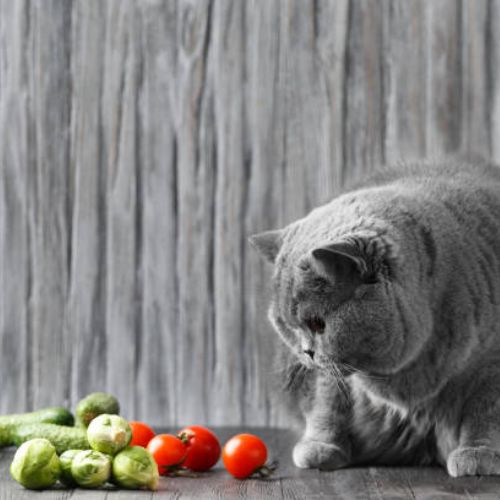
These fatty acids are vital for skin and coat health and brain function. Look for vegan foods that include sources like flaxseed, chia seeds and algae oil.
Omega-3 and Omega-6 fatty acids also support cardiovascular health and reduce inflammation. Ensuring a balanced ratio of these fatty acids in your pet’s diet can contribute to overall well-being.
9. Avoid Common Allergens
Some pets might be allergic to common vegan food ingredients like soy or certain grains. Be vigilant for signs of allergies, such as itching or gastrointestinal upset.
Monitor your pet regularly for symptoms like excessive scratching, redness, ear infections, or changes in stool consistency. Keeping a food diary can help identify potential allergens and make it easier to adjust your pet’s diet accordingly.
10. Variety is the Spice of Life
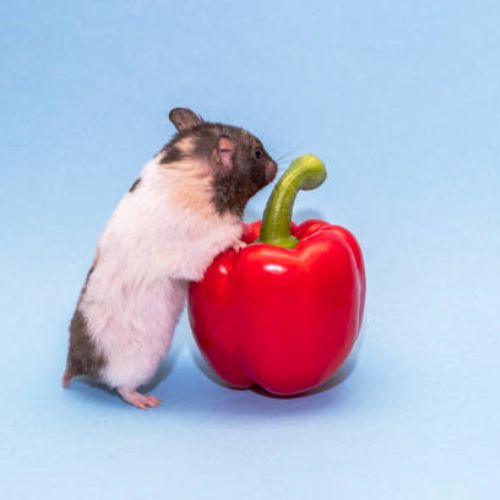
Just like humans, pets can get bored with the same food. Rotate between different vegan foods to keep their diet interesting and nutritionally varied.
Introducing a variety of flavours and textures can also help ensure your pet receives a broad spectrum of nutrients. This variety can prevent dietary monotony and encourage better eating habits.
11. Homemade Isn’t Always Better
While homemade vegan meals might seem appealing, getting the right balance can be tricky. It’s often safer and easier to stick with commercial vegan pet foods that meet nutritional standards.
Commercial foods are formulated by experts to provide complete nutrition, whereas homemade diets can inadvertently lead to deficiencies or imbalances. If you choose to cook at home, consult a veterinary nutritionist to create balanced recipes.
12. Understand Species Differences
Dogs are omnivores and can adapt to a vegan diet more easily than cats, who are obligate carnivores. Tailor your approach based on your pet’s specific needs.
Cats require certain nutrients like taurine and arachidonic acid, which are primarily found in animal products, making a carefully planned diet crucial. Understanding these species-specific nutritional requirements is key to maintaining your pet’s health.
13. Hydration Is Important
Ensure your pet drinks plenty of water, especially if they’re eating dry vegan kibble. Adequate hydration supports digestion and overall health.
Consider incorporating wet foods or water to dry kibble to increase moisture intake. Hydration is especially important for kidney function and urinary health.
14. Look Out for Behavioural Changes
Changes in diet can sometimes affect your pet’s behaviour. If you notice any significant changes, consult your vet. Behaviour changes can indicate that the diet is not meeting all of your pet’s nutritional needs.
Symptoms like lethargy, hyperactivity, or changes in appetite and mood should be monitored and addressed promptly.
15. Ethical and Sustainable Choices
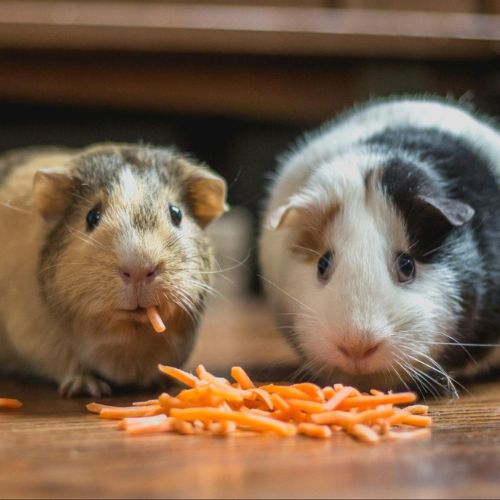
Choosing vegan pet foods can be more sustainable and ethical. Look for brands that align with your values and have transparent sourcing and manufacturing practices.
Supporting companies that prioritise animal welfare, sustainability and environmental responsibility can reinforce your commitment to ethical living.
16. Community Support Is Available
Join online communities or local groups of like-minded pet owners. Sharing experiences and advice can be incredibly helpful. These communities can provide support, recipe ideas and product recommendations, making the transition smoother for you and your pet.
Engaging with others can also offer moral support and motivation.
17. Be Patient and Observant
Transitioning to a vegan diet is a big change for your pet. Be patient, observant and ready to make adjustments as needed. Monitor your pet closely during the transition period, noting any changes in their health, behaviour, or digestion.
Flexibility and vigilance are key to ensuring a successful dietary change.
18. Pet’s Behaviour May Change

Be prepared for behavioural adjustments. New diets can sometimes cause temporary changes in energy levels or mood.
Gradual introduction and consistent monitoring can help mitigate these changes. Providing enrichment activities and maintaining a routine can support your pet’s adjustment period.
19. Consider the Cost
Vegan pet food can sometimes be more expensive. Budget accordingly to ensure you can maintain this diet long-term. Consider the overall benefits to your pet’s health and the ethical implications as part of the cost.
Comparing prices and buying in bulk can also help manage expenses.
20. Engage in Enrichment Activities
Dietary changes can be stressful for pets. Use enrichment activities like puzzle toys to keep them mentally stimulated and happy.
These activities can provide positive distractions and help maintain your pet’s mental health during the dietary transition.
21. Monitor Weight Regularly
Weight changes can indicate dietary issues. Regularly monitor your pet’s weight to ensure they’re staying healthy. Sudden weight gain or loss can be a sign that the diet needs adjustment.
Keeping a record of weight changes and discussing them with your vet can help maintain your pet’s optimal health.
22. Dental Health Matters
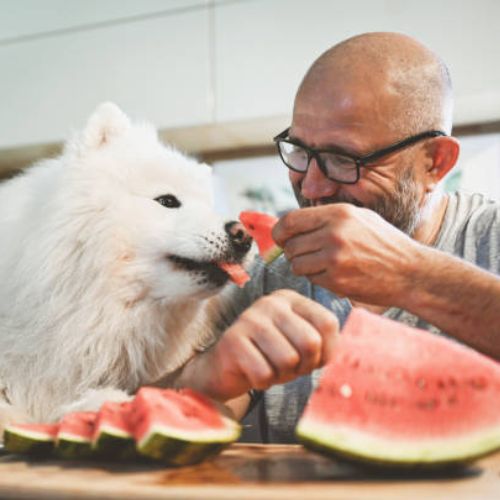
Some vegan pet foods might be softer, potentially affecting dental health. Ensure your pet has appropriate chew toys or dental treats.
Regular dental care, including brushing and professional cleanings, can help prevent plaque buildup and maintain oral health.
23. Avoid Human Food Assumptions
Just because some food is healthy for humans doesn’t mean it’s safe for pets. Stick to pet-specific vegan foods. Foods like onions, garlic and nuts can be toxic to pets.
Always research or consult your vet before introducing new foods into your pet’s diet.
24. Look for Balanced Formulations
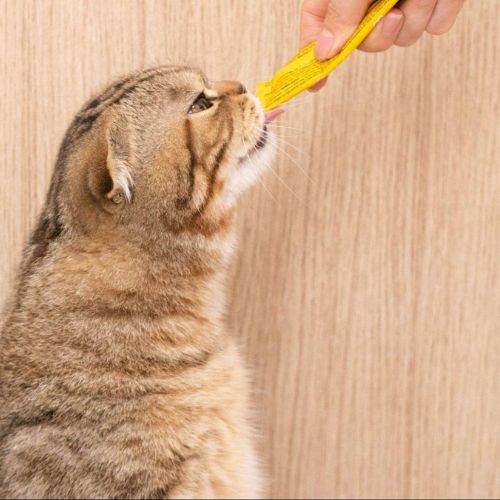
A balanced vegan pet food should have a mix of proteins, fats, carbohydrates, vitamins and minerals. Avoid foods with fillers and unnecessary additives.
A balanced diet is important for your pet’s overall health and longevity. Regularly review nutritional information and opt for high-quality formulations.
25. Stay Updated on Research
Pet nutrition science evolves. Stay informed about the latest research and recommendations regarding vegan diets for pets.
Subscribe to reputable veterinary journals, follow pet nutrition experts and participate in webinars to keep your knowledge current. This ongoing education can help you make informed decisions about your pet’s diet.
26. Make Emergency Plans
Have an emergency plan if your pet reacts negatively to the new diet. Know when to revert to the old diet and consult your vet immediately. Keeping a stock of the pet’s previous diet and having contact information for emergency vet services can ensure quick action if needed.
27. Be Mindful of Treats
Ensure that any treats you give your pet are vegan and nutritionally balanced. This maintains consistency in their diet. Choose treats that complement their main food and avoid those high in sugar or unhealthy fats.
Treats should be given in moderation and factored into their overall dietary plan.
28. Ensure Your Pet Gets Regular Exercise

Diet and exercise go hand in hand. Keep your pet active to complement their new diet and maintain their health. Regular physical activity supports weight management, mental health and overall well-being.
Tailor exercise routines to your pet’s age, breed and health status.
29. This Is a Long-Term Commitment
Switching to a vegan diet is a long-term commitment. Be prepared for ongoing adjustments and monitoring to ensure your pet thrives. Regular check-ins with your vet, staying informed and being responsive to your pet’s needs will help maintain their health and happiness on a vegan diet.
Switching your pet to a vegan diet can be rewarding if done thoughtfully and carefully. Stay informed, consult with professionals and always prioritise your pet’s health and well-being.

Jenny has been vegan for five years and vegetarian since the age of ten. She lives in Bristol, England, with her husband, kids and dogs. Jenny loves weightlifting and cooking up plant-based receipes that will help her hit those protein goals while also keeping the fusspot kids happy. Jenny wishes that it was Veganuary every month, because it’s always so sad when the vegan aisle shrinks at the end of the season.
Has anyone actually tried switching to vegan pet food and seen any health benefits? Wondering if it’s worth a shot…
So glad to see articles addressing vegan options for pets! It’s an important topic for those of us trying to make ethical choices across all aspects of our lives.
So we’re expecting pets to go vegan now? What’s next, lions and tigers on plant-based diets? Seems legit…
Actually, with the right balance of nutrients, some pets can thrive on a plant-based diet. It’s all about proper research and veterinary advice.
To those doubting a vegan diet for pets, many animals have lived long, healthy lives on carefully planned vegan diets. It’s not about forcing ideals but offering a balanced alternative.
Any tips on how to ensure my dog’s getting enough protein from a vegan diet? Heard a lot about nutritional risks.
Interesting read. Appreciate the info on omega fatty acids – wasn’t aware how crucial they are for pets. Gonna look into this more.
Imagine telling your dog about his new vegan diet, and he just stares back like, ‘Mate, where’s the beef?’
While I understand the reasons behind considering a vegan diet for pets, I’m curious about the overall impact on a carnivorous cat’s health and wellbeing.
Heard homemade pet foods not alwasy better. Got me thinking, maybe I should stick to store bought. Any advice?
Every few years, there’s a new trend for pets. I wonder how much of this vegan diet is actually about pet health and how much is about human trends.
Please don’t put cats on a vegan diet, from iCatCare –
“Cats have developed and evolved as ‘strict carnivores’. This means that they have developed a unique metabolism that, put simply, requires a supply of a number of nutrients only found in a meat/animal-based diet. Without these nutrients, cats develop a variety of diseases and will die.”