
Starting a vegan lifestyle is exciting and rewarding, but getting all the vital nutrients can sometimes be tricky.
Even with a well-balanced vegan diet, certain supplements can help fill any gaps and keep you feeling your best.
Here are the key supplements every vegan should consider to stay healthy and vibrant.
1. Vitamin B12

Vitamin B12 is crucial for nerve function, red blood cell production and DNA synthesis. Deficiency can lead to anaemia, fatigue, neurological issues and even irreversible nerve damage.
Historically, humans could obtain B12 by consuming plants with traces of soil or drinking water from natural sources, but modern sanitation practices have significantly reduced this source.
Vegans must now rely on fortified foods (such as plant milk, breakfast cereals and nutritional yeast) and supplements. The recommended daily intake for adults is about 2.4 micrograms.
Nutritional yeast is one of the best ways to supplement B12 for several reasons. It is often fortified with B12, making it an easy and convenient source of this essential vitamin for vegans. It is also versatile and can be incorporated into various recipes, ensuring you get your daily B12 intake in a delicious way.
Suggested reading: 14 Things to Know Before You Choose Vegan Supplements
2. Vitamin D
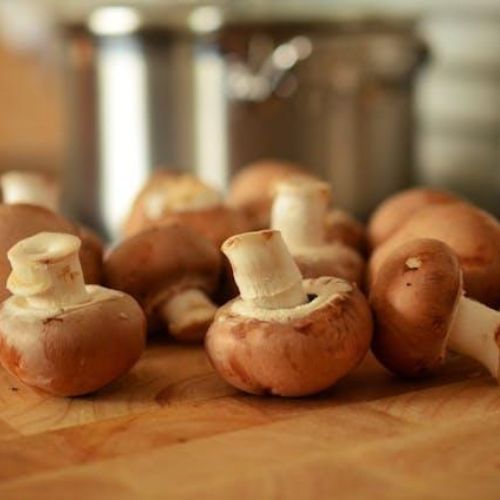
Vitamin D is known as the “sunshine vitamin” because our bodies produce it when our skin is exposed to sunlight. Vitamin D deficiency is not exclusive to vegans; anyone with limited sun exposure, regardless of diet, may struggle to maintain adequate vitamin D levels.
Few plant foods contain significant amounts of vitamin D, though some mushrooms are exposed to UV light and fortified products can help. Vegans should consider taking vitamin D2 (ergocalciferol) or the more potent vitamin D3 (cholecalciferol) derived from lichen.
A daily intake of 10 micrograms is typically recommended, but higher doses may be necessary for individuals with limited sun exposure.
3.Omega-3 Fatty Acids

Omega-3 fatty acids, particularly EPA and DHA, are primarily found in fatty fish and other seafood. Vegans may not get many of these forms of omega-3s because they don’t consume animal products.
However, plant-based sources of omega-3, such as flaxseeds, chia seeds, walnuts and hemp seeds, provide ALA, a type of omega-3 that the body can partially convert to EPA and DHA.
Vegans can also use algae-based supplements that provide EPA and DHA directly for more direct intake.
4. Iron
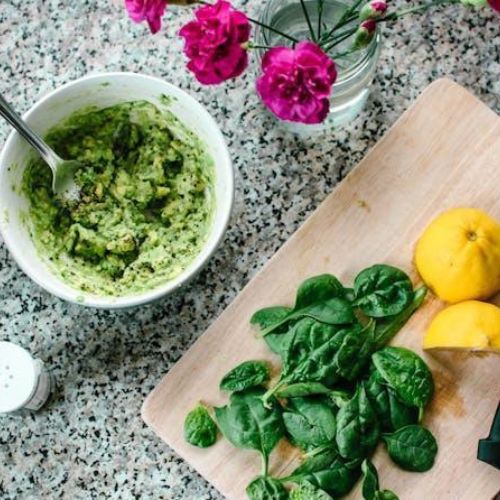
Iron is vital for oxygen transport in the blood and energy metabolism. Vegan diets often include non-heme iron, which is less readily absorbed than heme iron from animal products. Beans, lentils, tofu, quinoa, fortified cereals and dark leafy greens are good sources of nonheme iron.
Consuming vitamin C-rich foods (like citrus fruits) alongside iron-rich foods can enhance absorption. Iron supplements should be considered if blood tests indicate a deficiency. It’s essential to consult a healthcare provider before starting supplementation, as excess iron can cause adverse effects.
5. Calcium
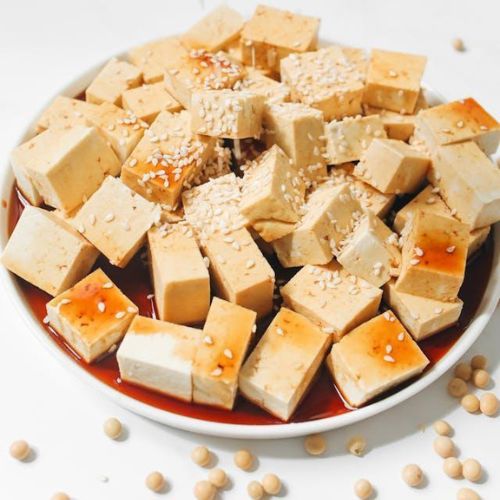
Calcium is essential for strong bones and teeth, muscle function, nerve signalling and blood clotting.
Calcium is primarily found in dairy products like milk, cheese and yoghurt, common in non-vegan diets. Vegans may get less calcium because they don’t consume these animal-derived foods.
However, vegans can obtain calcium from plant-based sources such as fortified plant milks, leafy green vegetables, almonds and tofu.
Vegans may struggle to meet the recommended 700+ mg per day solely through diet. Calcium supplements can help bridge the gap.
6. Zinc
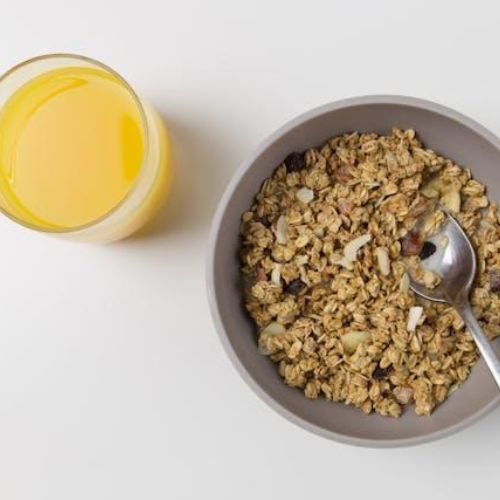
Zinc is crucial for immune function, DNA synthesis and cell division. Zinc is primarily found in animal products like meat and shellfish, making it less abundant in a vegan diet.
Vegans may struggle to get enough zinc because plant-based sources contain phytates, which can inhibit zinc absorption. However, good plant-based sources of zinc include legumes, seeds, nuts and whole grains.
But, phytates in these foods can inhibit absorption. A zinc supplement of 7 to 9.5 mg per day can help vegans meet their needs, especially during periods of increased demand, such as pregnancy or illness.
7. Iodine

Iodine is primarily found in animal products like fish and dairy because animals obtain it from iodine-rich soils and feed.
Vegans might struggle to get enough iodine since plant foods often contain lower levels unless grown in iodine-rich soil. Plant-based sources of iodine include seaweed, iodised salt and supplements, which can help vegans meet their iodine needs.
An iodine supplement or including iodised salt in the diet can ensure adequate intake. The recommended daily amount is 140 micrograms.
8. Protein
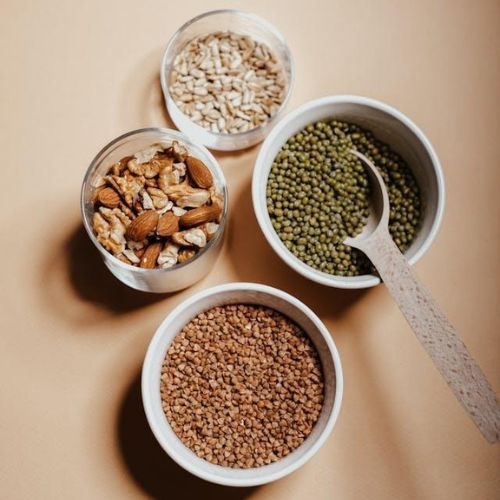
Protein is traditionally associated with animal products like meat, eggs and dairy, which are rich in complete proteins containing all essential amino acids.
However, vegans can still meet their protein needs by consuming a variety of plant-based sources such as beans, lentils, tofu, tempeh, quinoa and nuts.
By combining different plant foods, vegans can ensure they get a complete amino acid profile, even if individual plant sources may not contain all essential amino acids.
Other Useful Supplements
While the primary nutrients of concern have been covered, there are a few additional supplements that vegans might consider to optimise their health.
These supplements may not be necessary for everyone, but they can be beneficial in specific circumstances or for those with particular dietary restrictions or health goals.
9. Vitamin K2
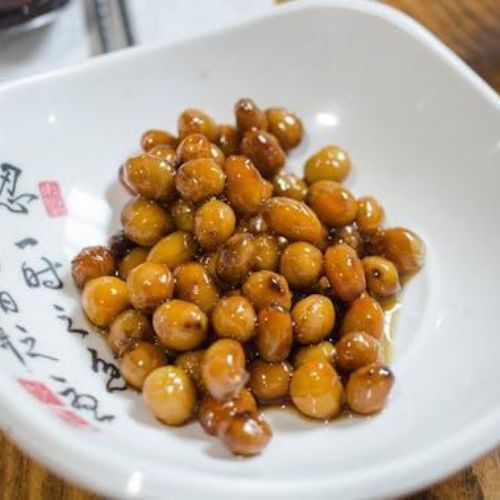
Vitamin K2 is primarily found in animal products such as meat, dairy and eggs, making it challenging for vegans to obtain sufficient amounts through their diet alone.
This form of vitamin K is produced by bacteria in the digestive systems of animals, leading to its presence in animal-derived foods. Vegans typically don’t get much K2 because plant-based sources contain mainly vitamin K1, found in leafy greens like kale and spinach. However, certain fermented plant foods like natto (a type of fermented soybean) can provide K2 and supplements are also available to help vegans meet their needs.
While there is no specific RDA for K2, a dose of around 1 microgram for every kilogram of your body weight daily is often recommended for bone and cardiovascular health.
10. Magnesium
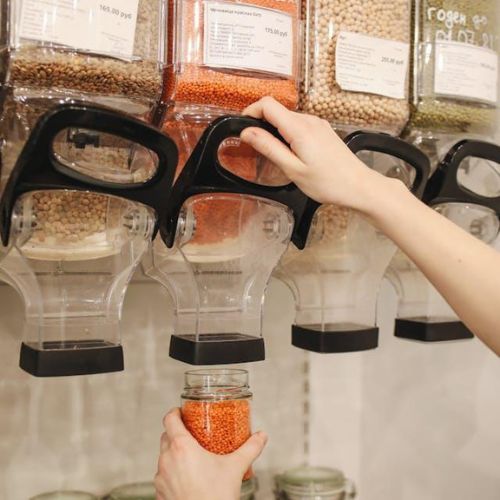
Magnesium is abundant in plant-based foods rather than being primarily found in animals. However, some vegans might still struggle to get enough magnesium due to factors like soil depletion, which reduces the mineral content in plants or the high consumption of processed foods that lack magnesium.
Excellent plant-based sources of magnesium include leafy green vegetables (such as spinach and kale), nuts and seeds (like almonds and pumpkin seeds), legumes (such as black beans and chickpeas) and whole grains (like brown rice and quinoa). Eating a varied and balanced diet rich in these foods can help vegans meet their magnesium needs.
A magnesium supplement, particularly magnesium citrate or glycinate, can help ensure adequate intake. The RDA for magnesium is 270 to 300 mg per day, depending on age and sex.
11. Taurine
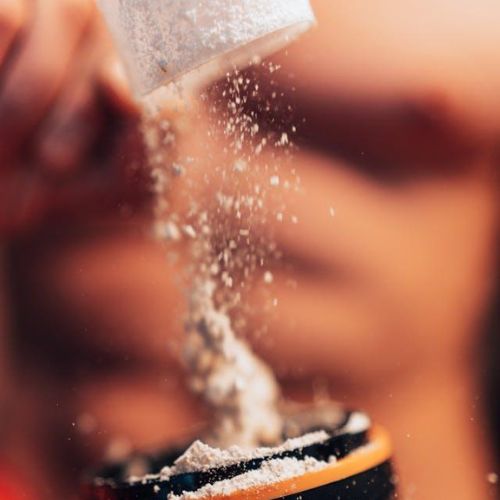
Taurine is an amino acid primarily found in animal tissues, including meat, fish and dairy products, making it abundant in non-vegan diets.
Vegans typically don’t get much taurine because it is not naturally present in plant-based foods. While the human body can produce taurine from other amino acids, some vegans may use supplements or consume taurine-fortified plant-based products to ensure they meet their nutritional needs.
Supplementation of no more than 3 grams per day might be beneficial, particularly for athletes or individuals with higher metabolic demands.
12. Creatine
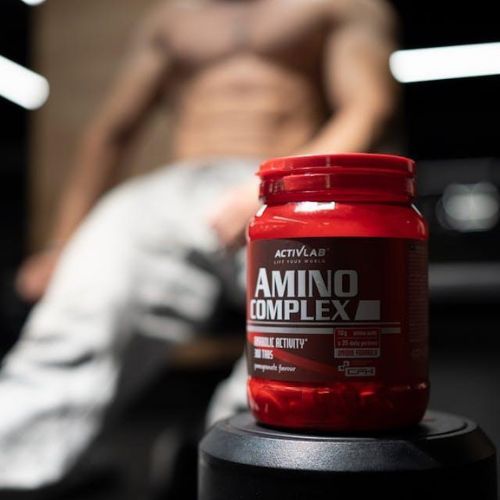
Creatine is a compound primarily found in animal tissues, particularly in muscle meat and fish.
Since creatine is not present in significant amounts in plant foods, vegans typically have lower creatine levels in their bodies than those who consume meat. While the body can produce some creatine on its own, vegans might not get the same levels as those who include animal products in their diet.
As a result, vegans often turn to creatine supplements to ensure they maintain adequate levels of muscle energy, cognitive function and overall performance.
13. Choline
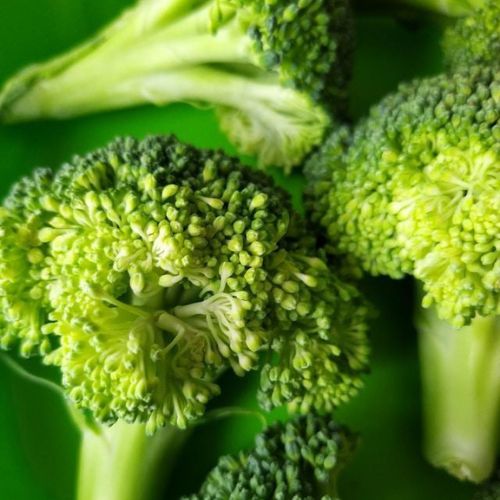
Choline is an essential nutrient in animal products like eggs, liver and meat. Vegans often consume lower amounts of choline because plant-based sources generally contain less of it. However, vegans can still obtain choline from plant-based sources such as soybeans, quinoa, broccoli, Brussels sprouts and almonds. While these plant foods provide choline, vegans need to be mindful of their intake to ensure they meet their nutritional requirements.
Vegans, especially pregnant or breastfeeding women, might consider a choline supplement of about 450-550 mg per day to ensure adequate intake.
Conclusion
A well-planned vegan diet can meet most nutritional needs through whole foods. However, certain nutrients may require attention through supplementation.
Although vitamins B12 and D, omega-3 fatty acids, iron, calcium, zinc, iodine and protein are the usual suspects, it’s best to do regular blood tests and consultations with healthcare professionals so you can tailor supplementation to your needs.

Jenny has been vegan for five years and vegetarian since the age of ten. She lives in Bristol, England, with her husband, kids and dogs. Jenny loves weightlifting and cooking up plant-based receipes that will help her hit those protein goals while also keeping the fusspot kids happy. Jenny wishes that it was Veganuary every month, because it’s always so sad when the vegan aisle shrinks at the end of the season.
Hey, quick q about the Omega-3 section. Does it matter if the Omega-3 comes from fish oil or can we get the same benefits from plant sources? Want to make sure I’m getting the good stuff for my gym routine.
Appreciated the thorough breakdown of iron sources, often a challenge for us vegetarians! It’s refreshing to see such a comprehensive guide. Kudos to the writer!
really interested in the bit about creatine. didn’t know it was considered a supplement outside the gym world. thoughts on this for non-athletes?
All these vitamins and minerals are fine and dandy, but isn’t eating a balanced diet enough? Seems like supplement companies just want our money.
You’ve got a point, but sometimes diet alone doesn’t cut it, especially for certain lifestyles or health conditions. It’s not all a scheme.
Interesting discussion, I’ve always wondered if I should take supplements or just focus on my diet more.
not too sure about needing all these, but i guess if you’re into that healthy lifestyle, it’s cool. still, interesting read.
Wonderfully informative article on the importance of supplements for a balanced nutrition. The protein section was particularly enlightening, validated much of my own research.
While the article offers a solid overview, it’s imperative to consult with a healthcare provider before starting any supplement regimen. Self-medication can lead to unnecessary complications.
love learning about new ways to stay healthy! this vitamin K2 thing is totally new to me. gonna look more into it. thanks for sharing!
Regarding Taurine, it’s important to note that while supplementation might offer benefits, overconsumption can potentially lead to negative side effects. Always stick to recommended dosages.
is it true that too much calcium can be bad for you? heard something about it causing heart problems or something, got me worried.