
Ever wondered just how many different ways there are to be vegan?
Turns out, it’s not just about skipping meat and dairy! From passionate activists fighting for animal rights to health enthusiasts counting their carbs, the world of veganism is incredibly diverse and fascinating.
Whether you’re curious about bin-raiding freegans or fruit-obsessed fruitarians, there’s a whole spectrum of plant-based lifestyles to explore.
Each level brings its own unique perspective on health, ethics and environmental impact, showing us that there’s no one-size-fits-all approach to living a vegan lifestyle.
Level 10: Veganarchists and Liberationists

Ever heard of someone taking veganism to a whole new level? That’s exactly what these bold advocates do!
Here’s what veganarchists are all about. For them, it’s not just about avoiding animal products, it’s about championing total animal freedom and equality.
Picture veganarchists as the revolutionaries of the vegan movement. They believe animals deserve fundamental rights, just like humans. But here’s the twist: their mission goes way beyond their dinner plates. They’re on a crusade against all forms of oppression, whether it affects animals or humans.
These passionate change-makers take a no-compromise approach. They boycott industries that exploit animals, organise impactful protests, and push society to rethink its relationship with animals.
Groups like Animal Rising (formerly Animal Rebellion) have taken bold steps by blockading McDonald’s distribution centres, demanding a transition to a plant-based food system.
Organisations like Anonymous for the Voiceless host ‘Cubes of Truth‘ demonstrations, displaying footage of animal agriculture practices to educate the public and advocate for animal rights.
Their ultimate vision? A world where animals are seen as individuals with rights, not commodities.
If you’re curious to dive deeper into the philosophy behind animal liberation, check out Peter Singer’s classic, Animal Liberation: A New Ethics for Our Treatment of Animals. Here’s a preview. It’s a thought-provoking read that explores the ethics of how we treat animals and why it’s time to rethink it all.
Ethical Vegans
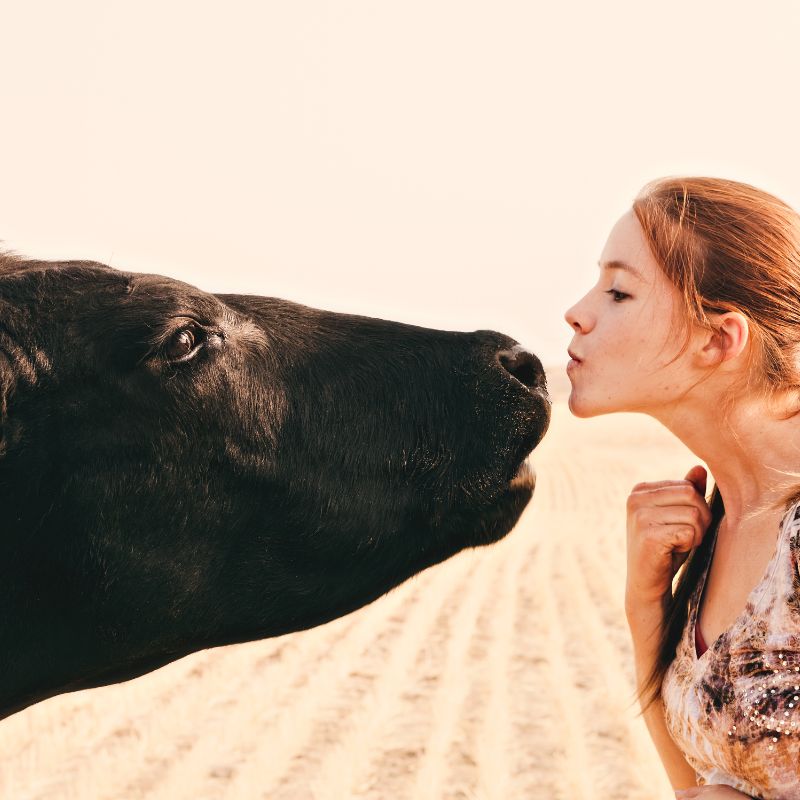
Ever wondered what inspires someone to embrace ethical veganism so passionately? For these dedicated individuals, it’s not about health or the environment, it’s about ending animal suffering and exploitation. Their commitment runs deep, shaping every part of their lives.
Ethical vegans go beyond their plates. They scrutinise everything they buy, clothing, cosmetics, even furniture, to ensure no harm to animals.
You won’t find them wearing leather boots, wool sweaters, or silk scarves, and they’re always on the lookout for those all-important cruelty-free labels. A trusted favourite? The Leaping Bunny logo, a symbol that guarantees products have not been tested on animals at any stage of development.
But their mission doesn’t stop at shopping. Ethical vegans are often outspoken advocates for animals, boycotting companies that test on animals, skipping zoos and circuses, and even attending protests to raise awareness.
It’s a lifestyle rooted in one simple yet powerful principle: animals aren’t here for us to use…ever!
Environmental Vegans
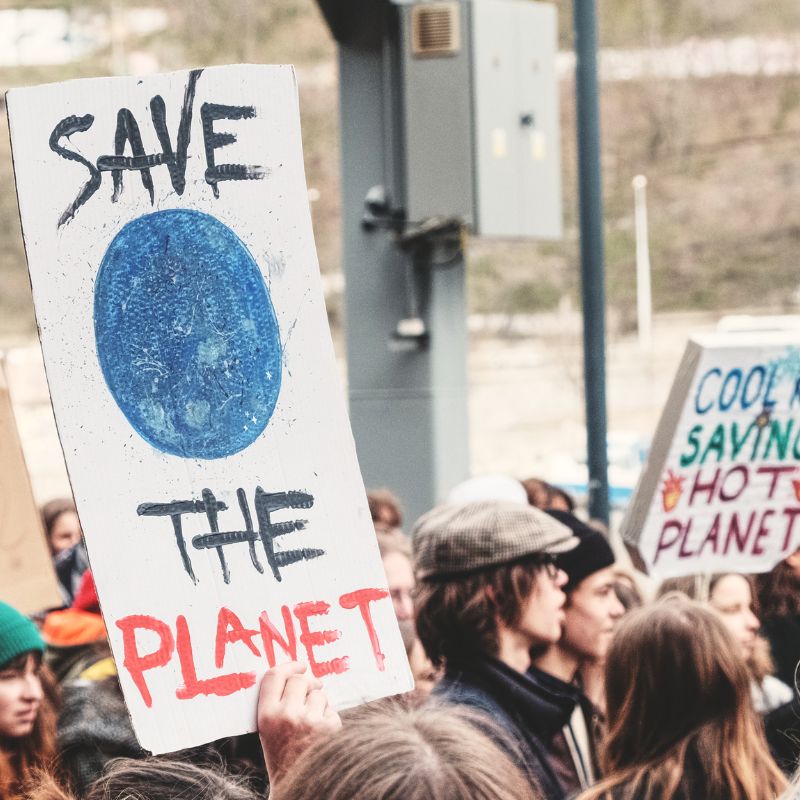
Ever wondered about the vegans who are laser-focused on saving our planet?
Environmental vegans are the eco-warriors of the vegan world, driven by a passion to protect Mother Earth. For them, plant-based living isn’t just a lifestyle, it’s a climate action plan.
Their mission? Reduce their carbon footprint and fight climate change, one meal at a time.
What sets them apart? These planet-conscious heroes are all about sustainable living. They seek out locally grown foods, minimise waste, and embrace habits that prioritise the planet.
You’ll often spot them with reusable bags at farmers’ markets, enthusiastically composting kitchen scraps, or celebrating the arrival of seasonal produce.
Environmental vegans understand the hard truth: animal agriculture wreaks havoc on our planet, contributing to deforestation, water scarcity, and greenhouse gas emissions.
By choosing plant-based, sustainable options that use fewer resources, they’re essentially giving the Earth a big, leafy hug with every meal.
It’s a movement supported by climate activists like Greta Thunberg, who has frequently highlighted the environmental damage caused by animal agriculture and the need to embrace plant-based solutions.
Freegans
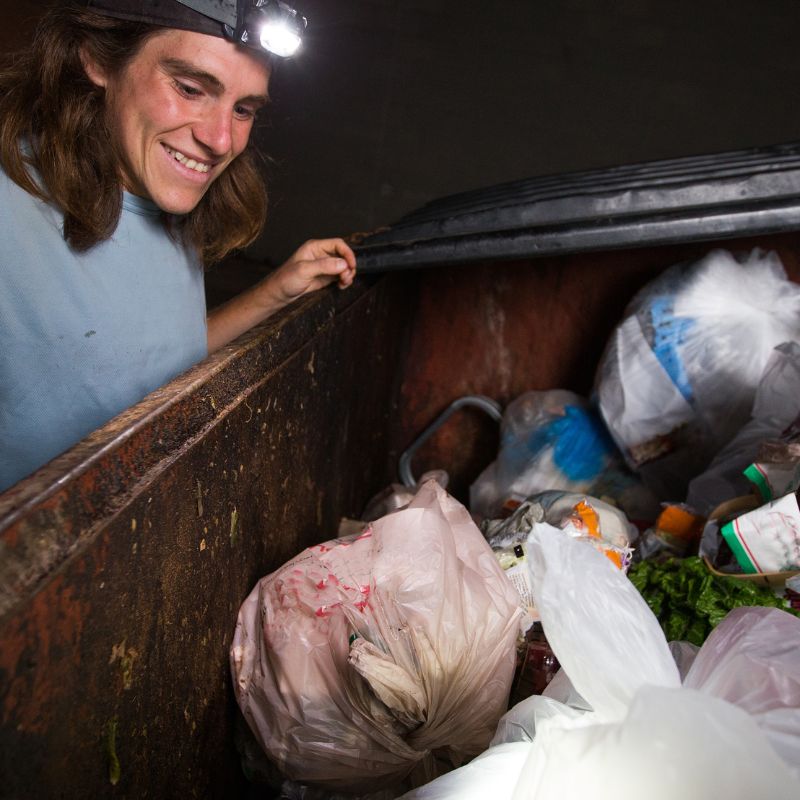
Ever heard of vegans who don’t let good food go to waste, even if it contains animal products? Meet the freegans, a unique offshoot of veganism with a focus on fighting food waste and consumer culture.
Freegans will consume animal products, but only if they’re freely available or destined for the bin. You might find them recovering perfectly edible food from bins, accepting leftover non-vegan meals, or participating in food-sharing initiatives.
They might also use tools like Too Good To Go, a popular UK-based app that connects users with surplus meals from restaurants and cafes at a discounted price, preventing food waste.
For community-focused efforts, they may support organisations like FoodCycle, a UK charity that repurposes surplus food to serve meals to those in need.
Why do they do it? Freegans believe that wasting food is just as harmful as supporting the animal agriculture industry directly. Their motto might as well be, “If the harm is already done, let’s make sure it wasn’t in vain.”
For freegans, this isn’t just about food, it’s about challenging consumerism and reducing environmental harm. By rescuing discarded items, they blend environmental consciousness with practical waste reduction, turning rubbish into treasure.
Dietary Vegans
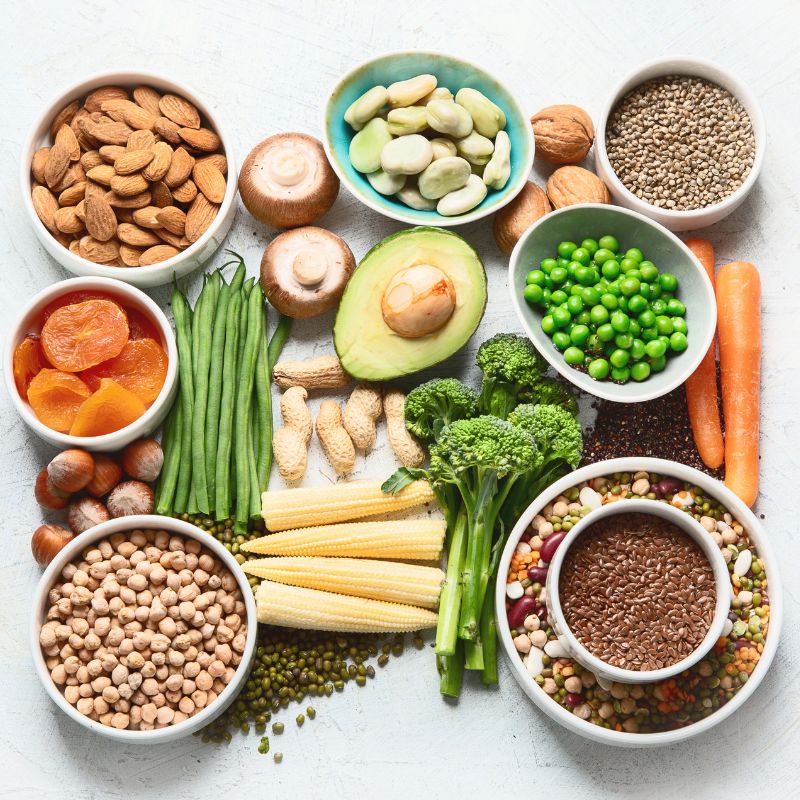
Ever wondered about the folks who follow a vegan diet purely for the health benefits?
These health-conscious individuals, known as dietary vegans, are all about nourishing their bodies with plant-based foods to feel and perform their best.
Unlike ethical or environmental vegans, dietary vegans focus solely on what’s on their plate. While they avoid all animal products in their meals, you might still spot them wearing leather shoes or using non-vegan cosmetics.
For them, it’s less about animal rights and more about reaping the health benefits of a plant-based diet, like reducing the risk of chronic diseases, improving energy levels, and maintaining a healthy weight.
Their kitchens are a haven for whole, unprocessed foods. Think vibrant fruits and veggies, hearty whole grains, and protein-packed legumes.
Dietary vegans prioritise these choices for their nutrient density and ability to fuel the body naturally. It’s like turning your body into a temple, powered entirely by plants!
Raw Vegans
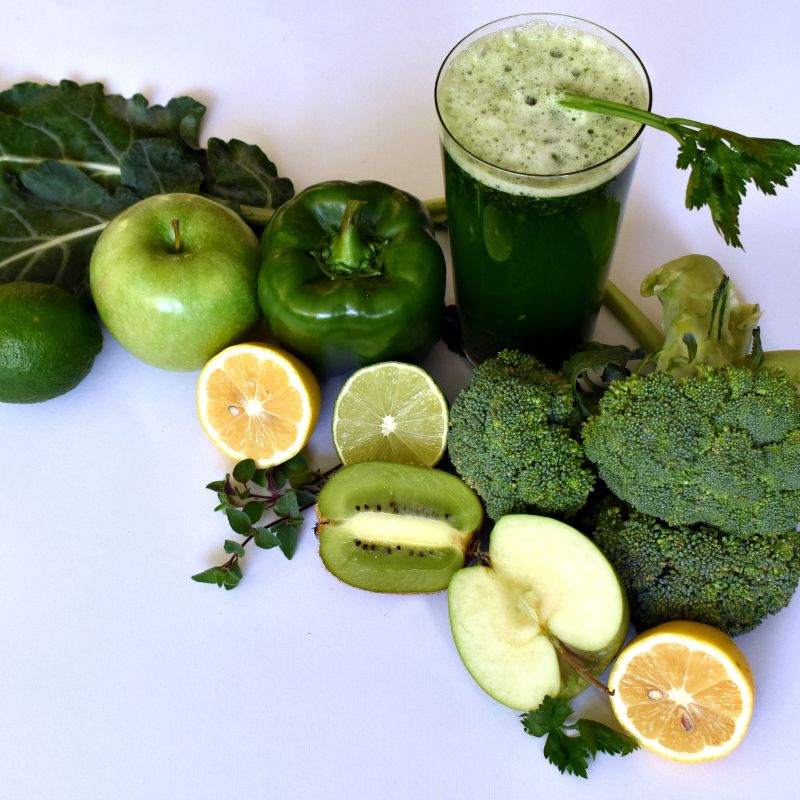
Ever heard of people who take their plant-based lifestyle to a whole new level? Raw vegans are all about keeping things totally natural, believing that uncooked, unprocessed foods deliver the greatest nutritional benefits and boost overall health.
You won’t find them firing up the stove. They keep food prep below 118°F (48°C) to preserve enzymes and nutrients. Their go-to tools include dehydrators, blenders, and sprouting jars, transforming raw ingredients into vibrant, nutrient-packed meals.
Some raw vegans follow the 80/10/10 diet, a low-fat, high-carb approach developed by Dr. Douglas Graham that prioritises fresh fruits and vegetables (80% carbs, 10% protein, 10% fat).
It’s like eating straight from nature’s candy shop! Their meals are colourful parades of fresh produce, nuts, seeds and sprouted grains. Nothing processed, nothing cooked, just pure plant power.
Notable figures in the raw vegan community include Freelee the Banana Girl and Durianrider, who gained attention in the early 2010s for promoting the “30 Bananas a Day” regimen. This high-fruit diet, which emphasised eating large quantities of bananas and other fruits, sparked significant debate at the time but has since faded in popularity.
In the early 2010s, Leanne Ratcliffe, known as Freelee the Banana Girl, and Harley Johnstone, known as Durianrider, gained attention in the raw vegan community for promoting the ‘30 Bananas a Day‘ diet.
This high-fruit diet emphasised consuming large quantities of bananas and other fruits, sparking significant debate at the time. However, the popularity of this diet has since faded in popularity.
Another prominent advocate of raw veganism is Kristina Carrillo-Bucaram, known as FullyRaw Kristina, who shares raw vegan recipes and lifestyle tips.
While raw veganism has its passionate followers, it’s also highly restrictive and not for everyone. However, for those committed to this lifestyle, it’s all about harnessing the raw energy of plants to feel their best.
Whole Food Plant-Based (WFPB) Vegans
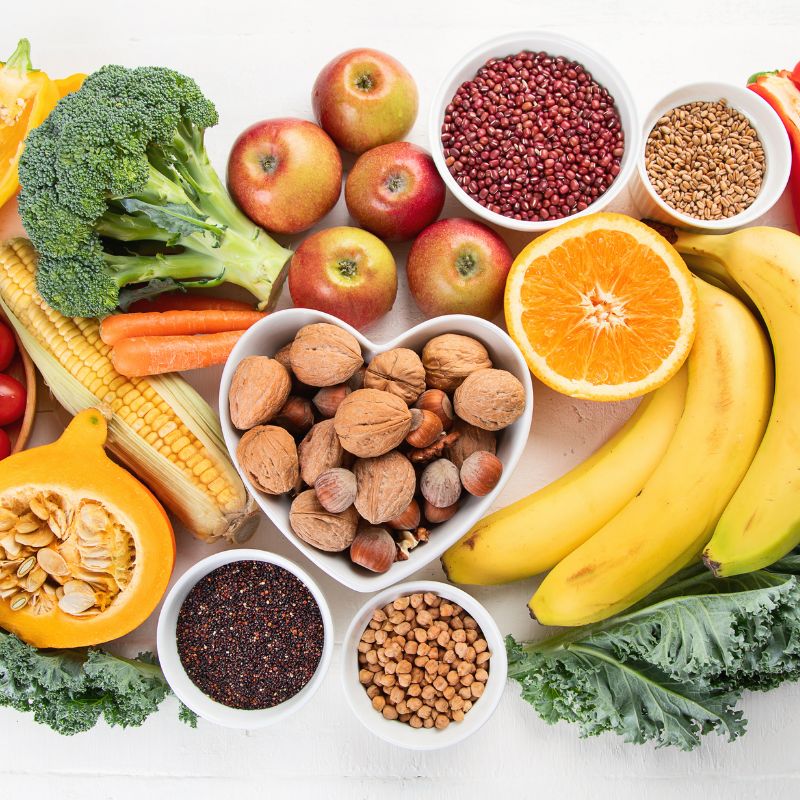
Ever heard of vegans who take their health game to the next level? WFPB vegans are all about keeping things as natural as possible, skipping processed foods entirely and focusing on wholesome, plant-powered nutrition.
Think of it as eating straight from nature’s garden. You won’t find refined oils, white flour, or artificial ingredients in their kitchen. Instead, their plates are brimming with fresh fruits, colourful veggies, hearty whole grains, and protein-packed legumes.
What sets them apart from other types of vegans? WFPB vegans are laser-focused on health. They avoid processed foods, even if they’re vegan, because they believe whole, unprocessed plants provide the most nutrients and help reduce the risk of chronic diseases like heart disease and diabetes.
No vegan cookies, mock meats, or plant-based cheeses here, just pure, plant-based fuel for optimal wellness.
This movement gained mainstream attention through the groundbreaking documentary Forks Over Knives, which showcases the transformative health benefits of adopting a whole-food, plant-based diet.
This lifestyle has gained popularity thanks to advocates like Dr. T. Colin Campbell (author of The China Study) and Dr. Caldwell Esselstyn, whose research emphasises the power of whole foods to transform health.
For WFPB vegans, it’s all about eating in harmony with nature to feel and perform their best.
Fruitarians
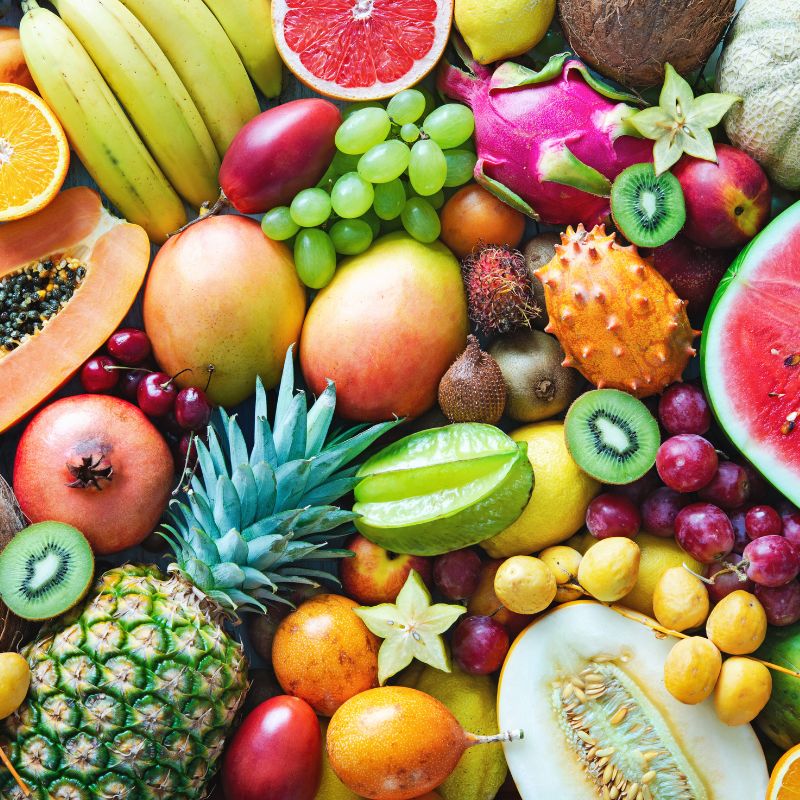
Ever wondered about the most dedicated plant-based eaters out there? Meet the fruitarians! These individuals take their plant-based lifestyle to the next level, primarily eating fruits, nuts, and seeds.
Their diet is guided by the belief that consuming foods that naturally fall from plants or can be gathered without harming the plant is the purest way to live, minimising their impact on nature.
What’s on a fruitarian’s plate? Think colourful bowls of fresh, juicy fruits, handfuls of raw nuts, and a sprinkle of seeds. While fruit forms the bulk of their diet, many fruitarians also include nuts, seeds, and some vegetables to round out their meals.
But here’s the thing, being a fruitarian requires careful planning! Nutrients like protein, iron, calcium and vitamin B12 are harder to come by in such a restricted diet, so they must be intentional about their choices. It’s like being a nutrition detective, ensuring every bite contributes to balanced health.
The fruitarian lifestyle has gained attention from notable figures over the years, such as Steve Jobs, who famously followed a fruitarian diet for periods of his life.
While it’s not for everyone, fruitarians find joy in eating straight from nature’s bounty, living a lifestyle that reflects their commitment to purity and harmony with the earth.
Beegans and Ostrovegans
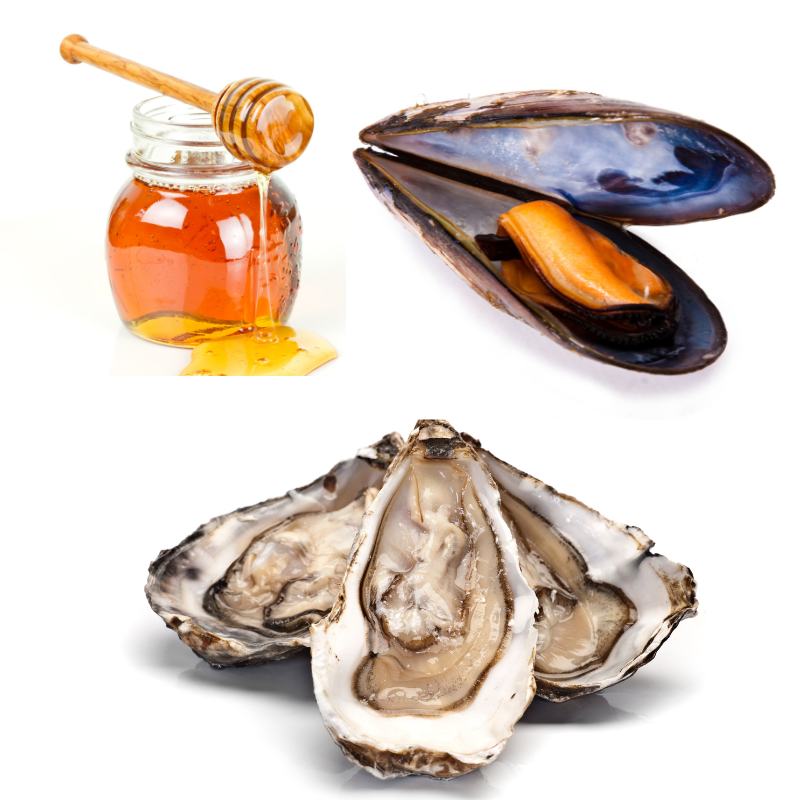
Ever heard of vegans who make some interesting exceptions to the rules? Meet the beegans and ostrovegans. Individuals with unique takes on what counts as animal exploitation and where they draw the line.
Beegans: are okay with including honey in their diet. They believe that responsible beekeeping not only avoids harm but can also benefit bee populations by supporting their habitats. The Vegan Society explains why honey is often excluded from a vegan diet but acknowledges the nuances of ethical beekeeping.
For beegans, enjoying honey in their tea or drizzling it on toast feels like a sustainable choice that aligns with their values, even while they avoid other animal products.
Ostrovegans (or bivalvegans): take a scientific approach to their diet. They include oysters, mussels, and other bivalves in their meals because these creatures lack central nervous systems and likely cannot feel pain.
According to Plant Based News, the debate over whether oysters are vegan is ongoing, but many ostrovegans see their consumption as ethically permissible. Additionally, bivalves like oysters and mussels are considered sustainable protein sources with a low environmental impact.
While both groups diverge from traditional vegan definitions, their choices spark interesting discussions about what it means to avoid animal exploitation and where ethical lines can be drawn.
High Carb Low Fat (HCLF) Vegans
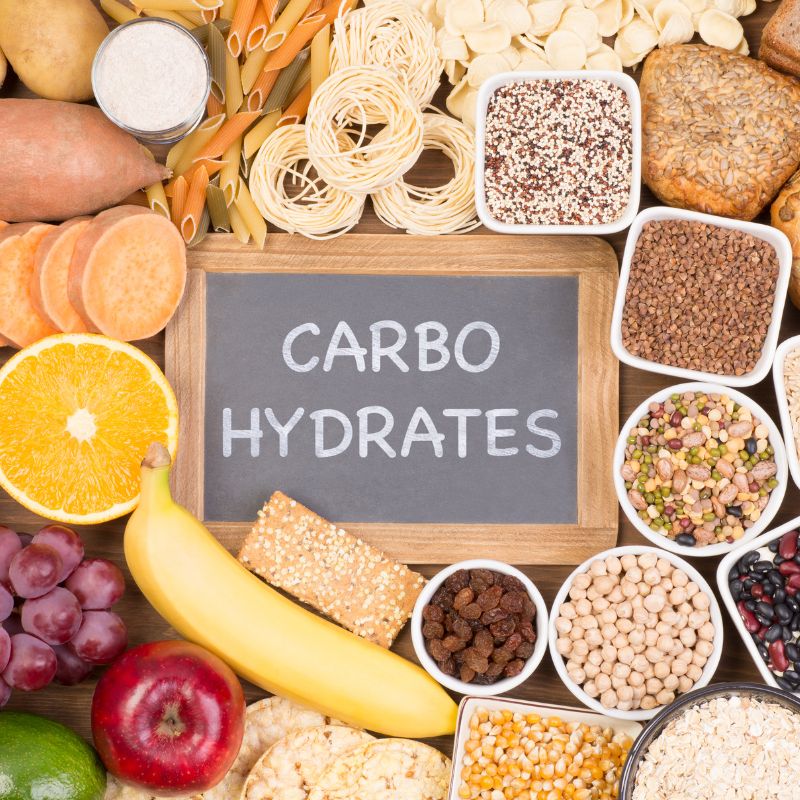
Ever heard of vegans who load up on carbs and keep their fats super low? HCLF vegans embrace this unique approach to plant-based eating, focusing on carbs as the body’s premium energy source. For them, it’s all about maximising energy and achieving optimal health.
They fill their plates with an abundance of fruits, potatoes, rice, and other complex carbs while keeping fats to a minimum. Their kitchens are often stocked with bananas, dates, whole grains and even legumes, but they limit higher-fat foods like nuts, seeds and avocados.
Why the focus on carbs? HCLF vegans believe that carbohydrates are the body’s preferred fuel, providing quick, clean-burning energy.
This diet has been championed by figures like Dr. John McDougall, author of The Starch Solution, who emphasises the health benefits of a starch-based diet. Many followers report increased energy, improved athletic performance and better weight management, perfect for those chasing fitness goals or leading active lifestyles.
However, this lifestyle isn’t for everyone. Some people may find they need more fats for satiety or hormone balance. But for those who thrive on carbs, it’s like having an endless supply of clean-burning fuel to power their day!
Plant-Based Eaters
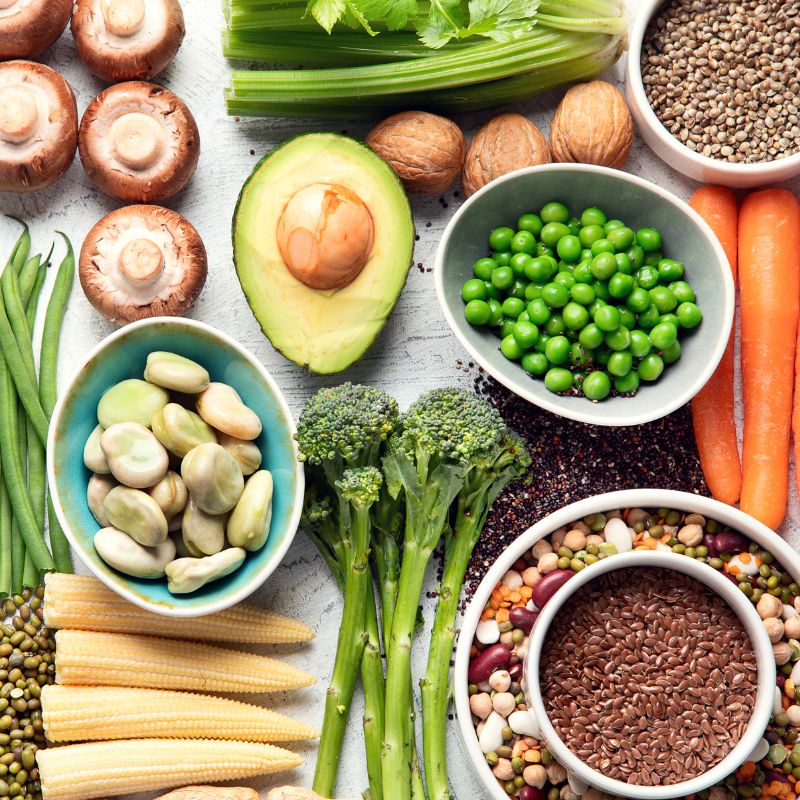
Ever wondered about people who generally follow a vegan diet but shy away from the label? Plant-based eaters focus on the health benefits of eating plants while embracing the flexibility to make choices that suit their lifestyle.
For them, it’s less about adhering to strict vegan principles and more about prioritising personal well-being.
Unlike strict ethical vegans, a plant-based eater’s diet can be predominantly plants with some animal products. They also might still wear leather shoes or use products tested on animals because it’s more about the food than a whole lifestyle.
Many also avoid calling themselves “vegan” to distance themselves from the ethical or activist connotations of the term.
Their main goal? To load up on nutritious plant foods to feel great, maintain a healthy weight, and support overall wellness, without the pressure of rigid rules.
You’ll often find their shopping carts brimming with fresh produce, whole grains, legumes, and other wholesome ingredients. For these individuals, it’s all about the health perks, like more energy, better digestion and that post-meal feel-good factor.
Some might also appreciate the environmental benefits of reducing animal products, but they approach this lifestyle with flexibility rather than a firm commitment to veganism.
For plant-based eaters, it’s about feeling their best and enjoying the simplicity of plant-powered eating, on their own terms.
Transitioning to Veganism: Beginner Levels
Starting your vegan journey doesn’t have to be overwhelming! Many people find success by taking small, manageable steps towards a plant-based lifestyle. Think of it like climbing a ladder – you don’t have to jump straight to the top!
Start by swapping out one animal product at a time. Maybe begin with plant-based milk in your coffee, or try “Meatless Mondays” to get the hang of vegan cooking. You’ll be amazed at how many delicious alternatives are out there!
Need support? Join online vegan communities or connect with local vegan groups. They’re usually super friendly and full of helpful tips!
Plus, there are tons of awesome apps that can help you check ingredients (WhatsVegan) and find vegan restaurants nearby (HappyCow). Remember, every small change counts on your journey to a more compassionate lifestyle!
Strict vs. Flexible Veganism
Some folks take a super strict approach, carefully checking every ingredient and avoiding anything that might have animal products. Others are a bit more relaxed about it, focusing on doing their best while staying practical.
Strict vegans might skip restaurants that serve both vegan and non-vegan food, or they’ll thoroughly research every product they buy. On the flip side, flexible vegans might occasionally eat honey or share a grill with non-vegan foods at a family barbecue.
Ever heard of a ‘chegan’? It’s a playful term for someone who mostly sticks to a vegan diet but occasionally indulges in non-vegan foods – like a cheat meal, but for vegans! Jared Leto, known for his plant-based lifestyle, has referred to himself as a chegan when he’s veered off the strict vegan path.
Neither approach is wrong, it’s all about finding what works for you! Whether you’re a strict vegan or take a more relaxed approach, what matters most is your commitment to reducing animal suffering and making compassionate choices whenever possible.
Combining Multiple Motivations
Ever noticed how some vegans seem to check all the boxes? Many people find that their vegan journey combines different motivations, creating a more meaningful and sustainable lifestyle! These folks blend ethical concerns, health benefits, and environmental awareness into one powerful package.
You might find them growing their own organic vegetables (great for health and the planet!), organising animal rights protests, and sharing delicious plant-based recipes with friends. It’s like hitting three birds with one stone – except no birds are harmed, of course!
Pop culture has even had its fun with the idea of the “vegan edge.” Remember the epic battle between Scott Pilgrim and Todd Ingram in ‘Scott Pilgrim vs. the World‘? Todd’s strict vegan lifestyle supposedly gave him superpowers, until he broke the rules with half-and-half (like single cream in the UK)!
The scene hilariously satirises the perception of veganism as being overly strict or self-righteous, poking fun at both the stereotypes and the pride that often comes with sticking to a vegan diet. You can watch the iconic Vegan Police Scene here.
These multi-motivated vegans often find their lifestyle choices more rewarding and easier to stick with. After all, when you’re passionate about protecting animals, feeling great, AND saving the planet, every plant-based choice feels like a triple win!
Resources and Support for Different Levels of Veganism
Looking for help on your vegan journey? There’s a whole world of support out there! Whether you’re just starting out or you’re a seasoned plant-based pro, you’ll find tons of helpful resources to keep you going strong.
Love to learn? Check out eye-opening documentaries like “Earthlings” or “What The Health.” You can also dive into amazing books like “How Not to Die” for health tips, or “Animal Liberation” for ethical insights.
Want some daily inspiration? Follow vegan influencers (like Hench Herbivore, Gaz Oakley, Happy Pear and Simnett Nutrition) on social media for quick tips and motivation!
Need some friendly faces? Join local vegan meetup groups or hop into online communities. These awesome folks are always ready to share their favourite recipes, product recommendations and practical advice. Plus, they totally get what it’s like to navigate different levels of vegan living!
The Bottom Line
No matter where you fall on the vegan spectrum, remember that every plant-based choice makes a difference.
Whether you’re a strict ethical vegan or just starting to explore Meatless Mondays, your journey is valid and valuable. The beautiful thing about veganism is that it’s constantly evolving and growing.
As more people discover the various levels of vegan living, the movement becomes richer and more inclusive. Whether you’re in it for the animals, the planet or your health, there’s a perfect spot for you in the vibrant world of plant-based living. Ready to find your place on the vegan spectrum?

Jac has been vegan for 15 years – long enough to wonder if tofu owes her a loyalty card. Hailing from Scotland, she enjoys the breathtaking scenery and believes vegan haggis deserves more appreciation. A proud mum to a curious and energetic daughter, Jac spends her time hiking scenic trails, devouring books, practicing yoga, honing her badminton skills, and creating colourful artwork with her trusty colouring pens. She’s passionate about living a vibrant, compassionate, and cruelty-free life, all while championing the magic of tofu.
Anyone here know if being a freegan still impacts the environment less than being a full-on vegan? Thinking about the waste aspect and all.
Lol, Beegans, so now we’re making exceptions for honey? What’s next, exclusive grass eaters?
This is quite an informative piece on various vegan lifestyles. It’s interesting to see how diverse the reasons and practices are, from ethics to environmental concerns.
Totally agree, Liam. It’s refreshing to see a non-judgmental overview. Helps in understanding each other’s choices better.
While I understand the points on dietary veganism, aren’t we ignoring the cultural and socioeconomic factors that make it difficult for some people to transition? Not everyone has the privilege or access to vegan options.