
What’s lurking in your skincare products? You might be surprised! If you’re considering a vegan lifestyle, you need to know about these sneaky non-vegan ingredients…
What’s Hiding in Your Skincare?

Many people are shocked to discover that their favourite skincare products contain animal-derived ingredients. Avoiding meat and dairy is not the only way to go; your beauty routine might need a vegan makeover, too.
1. Carmine: The Secret Red
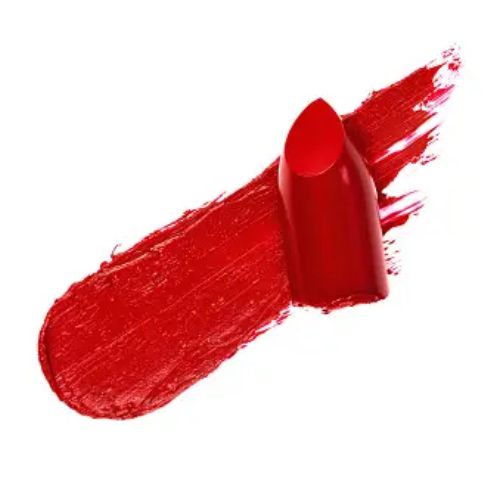
Do you adore your vibrant red lipstick? It might surprise you that its striking colour often comes from crushed insects! Carmine, also known as cochineal, is a red dye derived from the cochineal beetle.
By opting for vegan alternatives, you not only avoid animal products but also support cruelty-free beauty. Check your product labels and embrace the change – your lips and the planet will thank you!
2. Lanolin: From Sheep to Skin
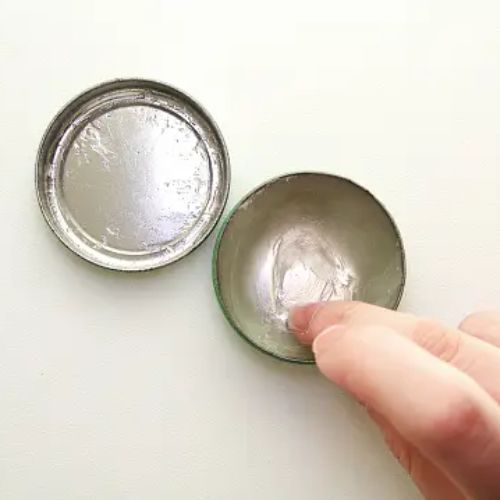
Lanolin is a common moisturiser in skincare products. But did you know it’s a waxy substance derived from sheep’s wool? While it’s effective, plenty of plant-based options do the job just as well. Look out for shea butter or jojoba oil instead.
3. Beeswax: The Bee’s Knees?
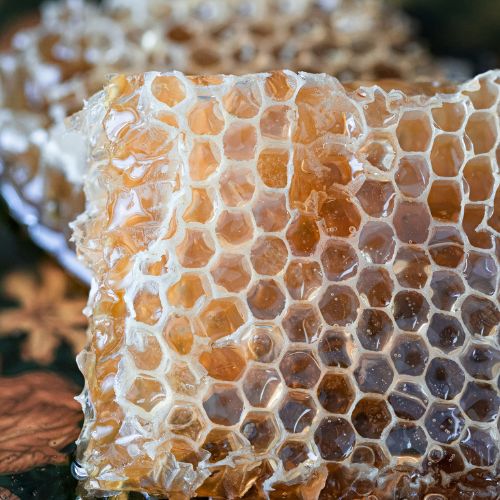
Beeswax is often used in lip balms and moisturisers. It’s great for sealing in moisture but is far from vegan.
Opt for candelilla wax, which comes from a plant and is just as effective. Here’s the part that everyone misses – plant-based alternatives often perform better!
4. Squalene: Fish or Plants?
Squalene is a hydrating ingredient found in many anti-ageing products. Traditionally, it comes from shark liver oil — not so vegan-friendly.
However, plant-based squalene, derived from olives or sugarcane, is just as effective. By choosing plant-based squalene, you can moisturise your skin without compromising your principles. So look for plant-based options and enjoy ethical skincare!
5. Collagen: Firm Skin Without the Guilt
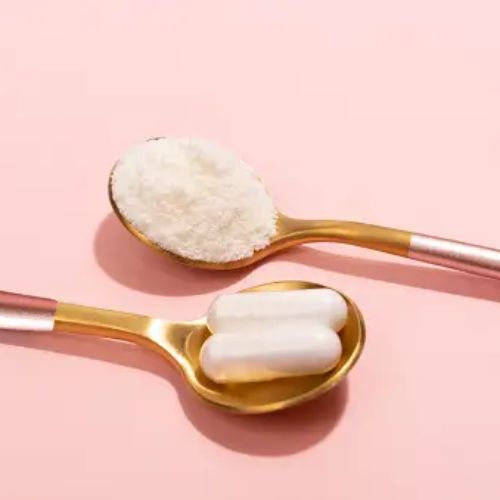
Collagen is a popular ingredient for its skin-firming properties. But it’s usually sourced from animal bones and connective tissues. That’s a no-no!
Instead, look for vegan collagen derived from plant sources that work wonders without compromising your values.
6. Gelatin: More Than Just Jelly
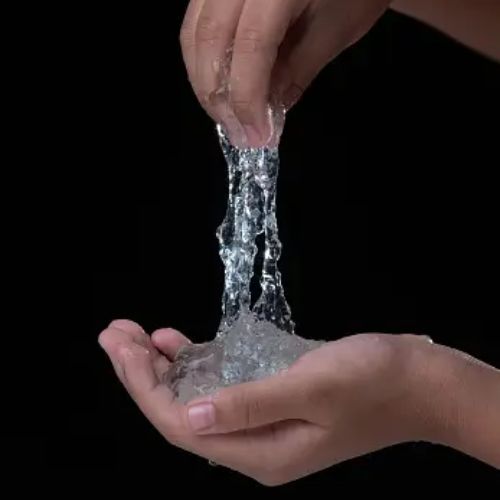
Gelatin isn’t just in your food; it’s also in beauty products, often as a thickener or gelling agent. Derived from animal bones, it’s not vegan.
Agar-agar, derived from seaweed, is a perfect alternative that’s kind to your skin and the planet.
7. Glycerine: Animal or Plant?
Glycerine is a common ingredient in soaps and moisturisers. It can be derived from animal fats or plant oils. Always check the label to ensure you’re choosing a plant-based version. Going for a plant-based ingredient means contributing to a kinder, more sustainable world.
7. Shellac: Shine Without the Guilt

Shellac is a resin secreted by the lac bug and is often used to give a shiny finish to products like hair spray and nail polish. Instead, opt for synthetic or plant-based resins that offer the same benefits without exploiting insects.
9. Keratin: Strength Without Compromise
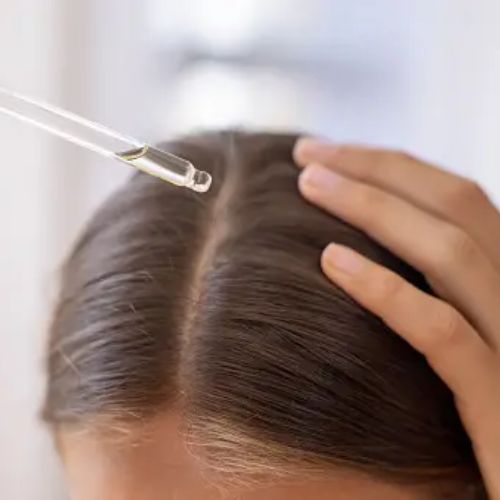
Keratin is praised for strengthening hair and nails but is derived from animal parts like feathers, horns and wool. Plant-based keratin, often sourced from soy, wheat, or corn proteins, offers a cruelty-free alternative that works just as well.
10. Stearic Acid: The Hidden Animal Fat
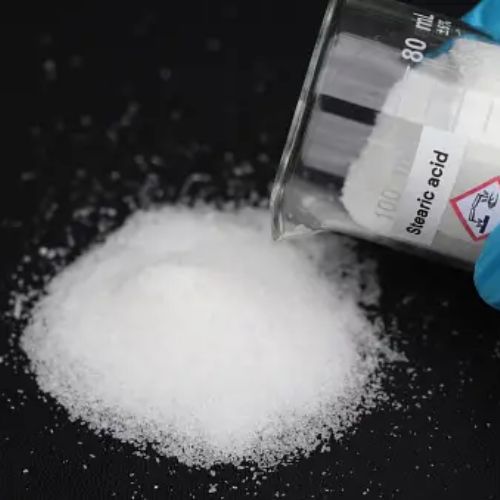
Stearic acid is used in many skincare products for its thickening properties. It can be derived from animal fats or plant sources like cocoa butter. To keep your routine vegan-friendly, make sure your products use plant-based stearic acid.
11. Elastin: Flexibility with Ethics
Elastin, like collagen, is used to maintain skin elasticity and is typically sourced from animals. Thankfully, there are plant-based peptides that mimic the effects of elastin without harming animals.
12. Milk Proteins: More Than Dairy

Milk proteins, like casein and whey, are often found in skincare for their hydrating properties. Swap these out for almond or oat milk-based products, which are equally nourishing and completely vegan.
13. Snail Mucin: Not So Slow Beauty

Snail mucin is a popular skincare ingredient known for its hydrating and healing properties. However, it’s derived from snail secretion. Instead, look for products with aloe vera or hyaluronic acid, which provide similar benefits without the snail trail.
14. Placenta Extract: Not Just a Myth
Placenta extract is used in some anti-ageing products for its regenerative properties, but it’s sourced from animal placentas. Thankfully, plant stem cells offer a powerful and ethical alternative, keeping your skincare both effective and cruelty-free.
Your New Vegan Skincare Routine
Switching to vegan skincare might seem overwhelming, but it’s easier than you think. Start by checking labels and researching brands committed to vegan formulas. Websites like The Vegan Society and Cruelty-Free Kitty offer excellent resources to help you make informed choices.
Benefits Beyond Ethics
Choosing vegan skincare isn’t just about being kind to animals. Plant-based ingredients are often richer in antioxidants and nutrients, offering superior benefits for your skin. Plus, vegan products are generally better for the environment, reducing the demand for animal farming and its associated impacts.
Final Thoughts
There you have it! Ready to revolutionise your skincare routine? Comment below with your favourite vegan skincare brands and products!

Jenny has been vegan for five years and vegetarian since the age of ten. She lives in Bristol, England, with her husband, kids and dogs. Jenny loves weightlifting and cooking up plant-based receipes that will help her hit those protein goals while also keeping the fusspot kids happy. Jenny wishes that it was Veganuary every month, because it’s always so sad when the vegan aisle shrinks at the end of the season.
I was rather intrigued to learn about carmine in our skincare. Can anyone clarify how it’s ethically sourced? I’m making an effort to adopt a more eco-conscious beauty regime.
Carmine’s tough cuz it comes from insects. Some brands do try for ethical sourcing, but defo check for vegan labels if that’s a big concern for you!
Who knew my face cream had more fish than my dinner plate? Gotta love learning new stuff haha.
Omg, beeswax is literally the secret to that glow. Been saying it for ages but glad Vegan Wins article is spreading the word.
Is vegan skincare actually better, or is it just another trend? Would love to see some solid science behind this.
Never knew collagen in skincare could be guilt-free. Time to beef up my skincare game without harming the planet!
Fascinating read! Snail mucin has been a staple in my routine since visiting South Korea. It’s wonderful to understand more about its benefits.
Using products with squalene but had no idea there’s a choice between shark and plant. Gonna make sure mine’s plant-based from now on, cheers for the heads up.
I appreciate the detail on glycerine sources in skincare. It’s crucial for consumers to know whether products align with their ethical beliefs.
So when we say ‘shine without the guilt’ with shellac, are we sure there’s no guilt lurking somewhere? Like, are the beetles happy?
It’s impressive to see the spotlight on ingredients like milk proteins. Understanding what goes into our skincare is as important as what goes into our bodies.
Absolutely agree, Fiona. It’s all about conscious consumption, whether it’s food, skincare, or anything else we use daily.