
An investigation has uncovered a disturbing trend of monkey torture rings, where defenceless animals are subjected to severe abuse for perverse gratification.

These rings operate through online platforms, allowing individuals to pay for the torture and killing of monkeys.
Two British women, Holly LeGresley (37) and Adriana Orme (56), both from Worcestershire, have been sentenced to over three years in prison for their involvement, marking a significant step in the legal battle against such abuse.
The methods of torture are both shocking and brutal, with monkeys being set on fire, impaled, and subjected to other forms of extreme violence. The psychological and physical impact on these animals is profound, underscoring the urgent need for intervention and support for animal welfare organisations.
The investigation, supported by Action for Primates, highlights the global nature of these torture networks. A year-long investigation by the BBC played a crucial role in exposing the perpetrators and bringing them to justice. This collaborative effort between media and advocacy groups emphasises the importance of global cooperation in addressing animal abuse.
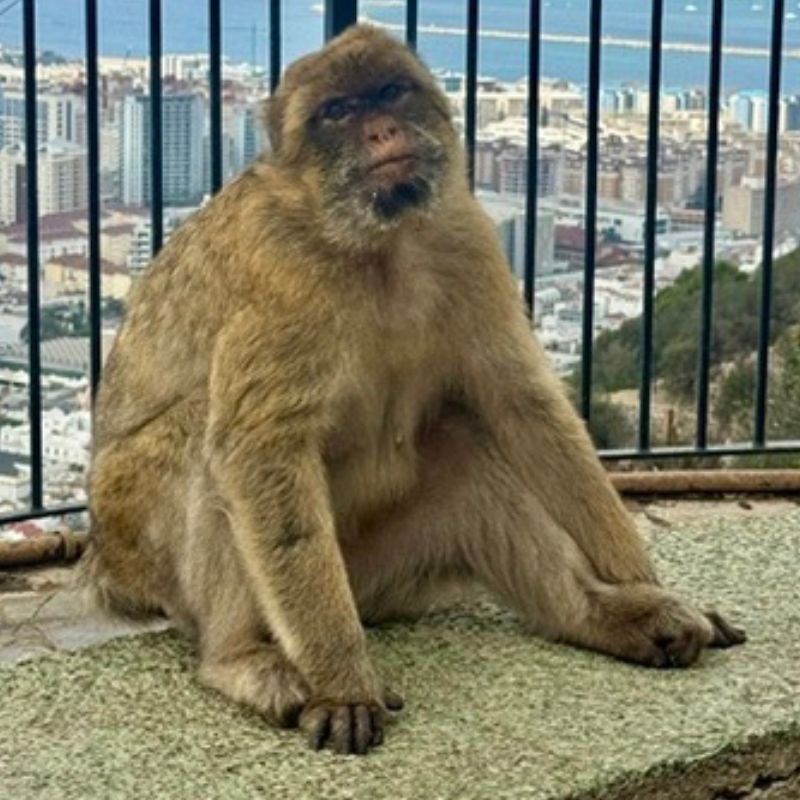
Animal rights advocates, including Sarah Kite, co-founder of Action for Primates, have called for stricter penalties and increased global awareness to deter such activities. The need for comprehensive legal frameworks and public education is emphasised to prevent future occurrences of such cruelty.
If this topic has you stunned (and furious), you need to check out the BBC World Service documentary, Saving Mini: Inside the Global Network Torturing Baby Monkeys. It’s a deep dive into the horrifying reality of these monkey torture networks and the global effort to bring the perpetrators to justice.
The documentary uncovers just how far this dark underworld stretches and introduces you to the heroes working tirelessly to stop it, like the amazing team at Action for Primates. It’s heartbreaking but also an eye-opener, showing how much work is left to be done to protect these innocent animals.
Suggested read: 8 Eye-Opening Facts About Factory Farming That Will Make You Go Vegan

Jac has been vegan for 15 years – long enough to wonder if tofu owes her a loyalty card. Hailing from Scotland, she enjoys the breathtaking scenery and believes vegan haggis deserves more appreciation. A proud mum to a curious and energetic daughter, Jac spends her time hiking scenic trails, devouring books, practicing yoga, honing her badminton skills, and creating colourful artwork with her trusty colouring pens. She’s passionate about living a vibrant, compassionate, and cruelty-free life, all while championing the magic of tofu.
Has there been any update on the measures being adopted to prevent such online platforms from hosting this disturbing content? It’s crucial we address the root cause to stop the exploitation.
Actually, major tech companies are now investing in AI to flag and remove illegal activities from their platforms. It’s starting to make a difference but it’s a long battle ahead.
AI’s all well and good, but when it’s up against human cunning, I’ve seen enough to not hold my breath. There’s always a loophole.
This case marks a significant legal precedent for digital crime and animal rights. The sentences imposed reflect a growing recognition of the gravity of these offences.
over 3 years for monkey business? wow, the justice system really went bananas this time!
Three years seems like a holiday compared to what those animals went through. I guess it’s a step in the right direction, but hardly enough.
True, the sentence might seem light, but it’s progress. Bringing awareness and judicial consequences to these crimes is important. Let’s keep pushing for stronger laws.