
Looking to enhance your vegan dishes while avoiding oil? We have some secret hacks to create flavourful, healthy meals without a drop of oil.
Here’s how you can enjoy vibrant, delicious cooking that’s both nutritious and satisfying – oil free!
1.Embrace Water Sautéing
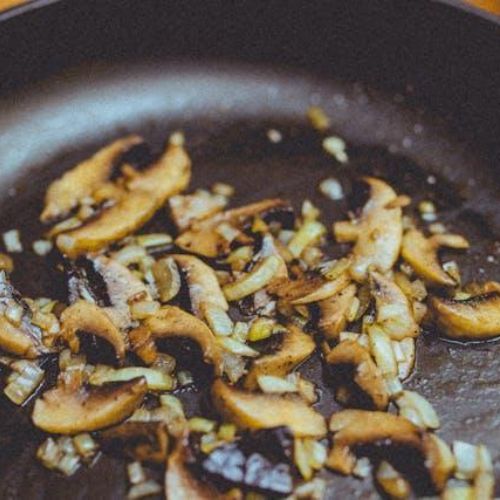
Water sautéing is an excellent alternative to traditional oil-based sautéing. To prevent sticking and add flavour, use a few tablespoons of water, vegetable stock, or wine. Heat your pan, add the liquid and then your vegetables.
This method allows the vegetables’ natural juices, to create a flavourful base. Stock or wine add layers of complexity without additional fat.
Tips
- Start with small amounts of liquid and add more as needed to avoid steaming.
- Deglaze the pan with a splash of vegetable broth or wine to incorporate browned bits into your dish, enhancing flavour.
2. Harness the Power of Spices and Herbs
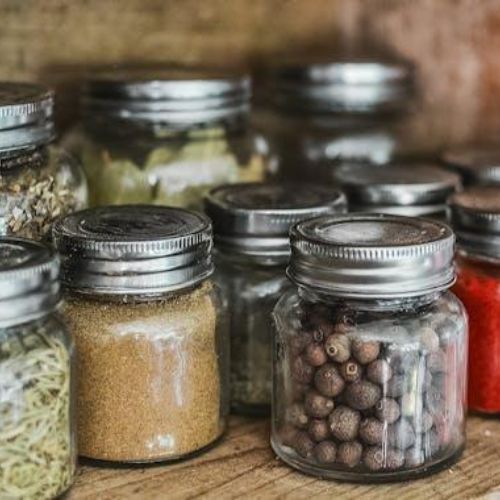
Spices and herbs are your best friends in oil-free cooking. Toasting spices in a dry pan can release their essential oils, enhancing their flavour. Fresh herbs can be used as a finishing touch to add brightness.
Spices and herbs add depth, heat and complexity to dishes, making them more satisfying and flavourful.
Tips
- Use a variety of spices: cumin, turmeric and smoked paprika, which are all excellent choices.
- Experiment with fresh herbs like basil, coriander, parsley and dill for a burst of freshness.
3. Utilise Citrus and Vinegars
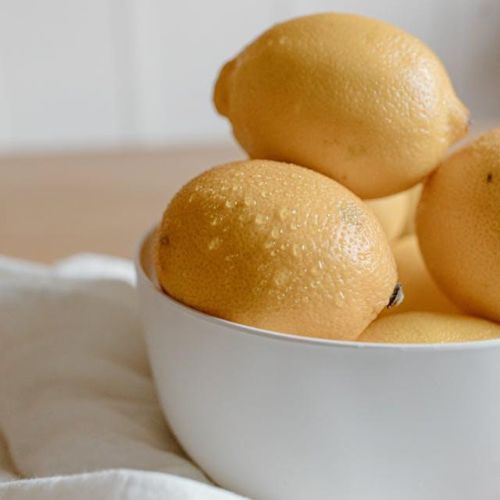
Citrus fruits (lemon, lime, orange) and vinegar (balsamic, apple cider, rice wine) add acidity, which balances and elevates flavours. Acidity can enhance the perception of salt and bring out the natural flavours of ingredients, creating a more vibrant dish.
Tips
- Squeeze fresh lemon or lime juice over your dish before serving.
- Use balsamic vinegar as a glaze by reducing it on the stove until thick and syrupy.
4. Incorporate Umami-Rich Ingredients

Umami is the savoury fifth taste that adds depth to dishes. Ingredients like mushrooms, tomatoes, soy sauce, miso and nutritional yeast are rich in umami. Umami ingredients can mimic the richness that oil provides, making dishes more satisfying.
Tips
- Add a tablespoon of miso paste to soups and stews.
- Sprinkle nutritional yeast over pasta or popcorn for a cheesy, umami boost.
5. Add Plant-Based Milk and Creams
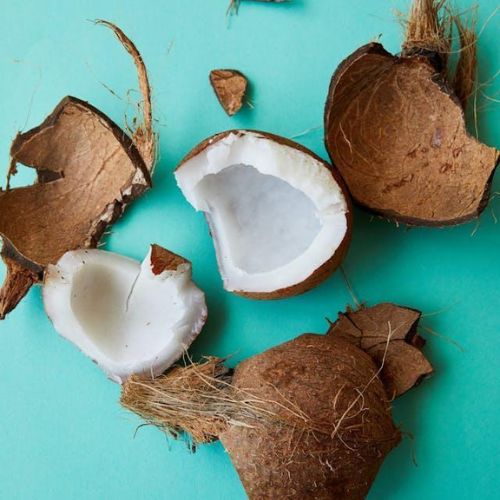
Plant-based milks and creams (coconut milk, cashew cream, almond milk) can add richness and creaminess to dishes. These alternatives provide a luscious texture without the need for oil or dairy.
Tips
- Use full-fat coconut milk for a creamy curry.
- Blend soaked cashews with water to create a versatile cream for sauces and soups
Suggested read: Almond Milk vs Soy Milk: Which Is Better for You?
6. Optimise Your Cooking Methods

Roasting, steaming, braising and grilling can enhance the natural flavours of vegetables and other plant-based ingredients. These methods can caramelise sugars and intensify flavours without adding fats.
Tips
- Roast vegetables at high heat to achieve a crispy, caramelised exterior.
- Steam vegetables retain their nutrients and vibrant colours.
- Grill vegetables for a smoky, charred flavour.
7. Experiment with Condiments and Sauces
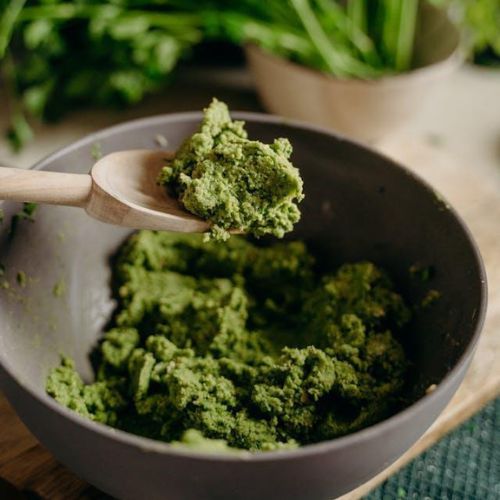
Homemade condiments and sauces can add a burst of flavour to any dish. Think salsas, pestos, tahini sauces and more. These additions can transform a simple dish into something extraordinary.
Tips
- Blend fresh herbs, garlic, lemon juice and nuts or seeds to make a vibrant pesto
- Mix tahini with lemon juice, garlic and water for a creamy, nutty sauce
8. Use Aquafaba for Richness

Aquafaba, the liquid from a can of chickpeas, can be whipped into a foam or used as an egg replacement in baking. It adds a unique texture and richness without fat.
Tips
- Whip aquafaba until it forms stiff peaks and folds into batters for light, airy baked goods
- Use it as a binder in recipes like vegan mayo or meringues
9. Incorporate Whole Foods
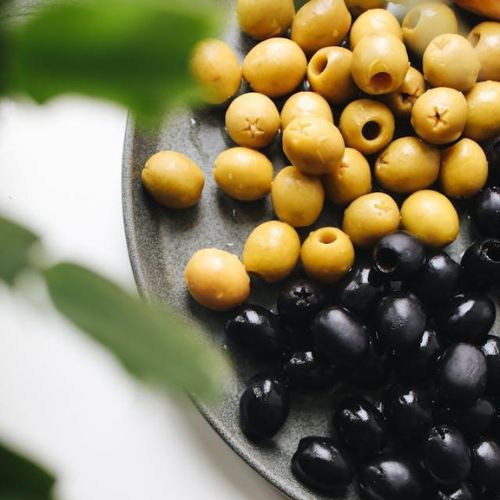
Whole foods like avocados, nuts, seeds and olives can add texture and richness to dishes. They provide healthy fats and nutrients, enhancing both flavour and nutrition.
Tips
- Add sliced avocado to salads and sandwiches for a creamy texture.
- Sprinkle seeds and nuts on top of dishes for added crunch and flavour.
10. Master the Use of Salts
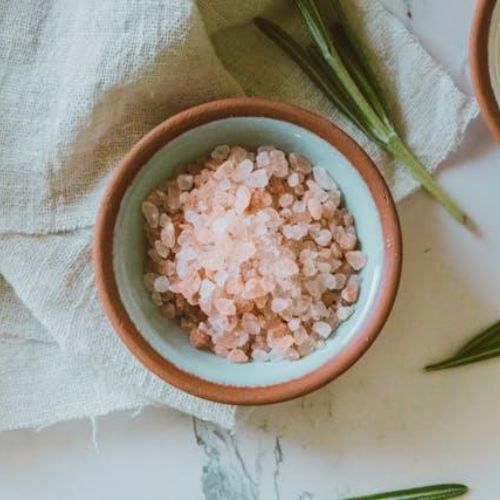
Proper seasoning is crucial. Use salt judiciously and balance it with other seasonings to enhance the natural flavours of your ingredients. Good seasoning can make the difference between a bland dish and a flavourful one.
Tips
- Taste your food as you cook and adjust the seasoning as needed.
- Consider using flavoured salts or seaweed flakes for an extra umami punch.
11. Infuse Flavour with Aromatics
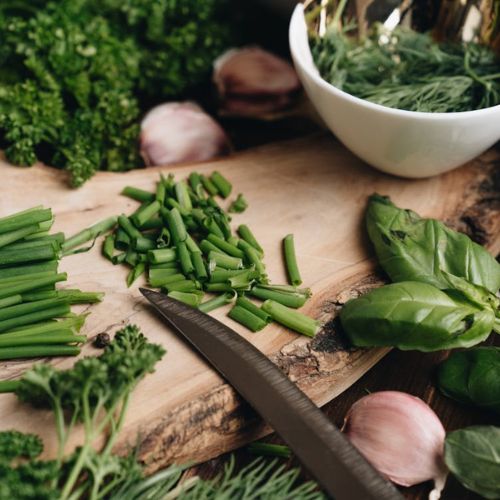
Aromatics like onions, garlic, ginger and shallots can elevate the taste of any dish. Sauté them gently to release their flavours before adding other ingredients. Aromatics provide depth and complexity to dishes, enhancing their overall flavour profile.
Tips
- Chop aromatics finely for even distribution throughout the dish.
- Experiment with different combinations of aromatics to create unique flavour profiles.
12. Utilise Dried Fruits for Natural Sweetness
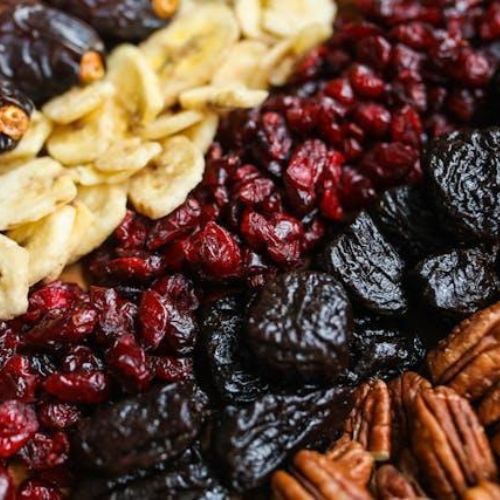
Dried fruits like dates, apricots and raisins can add natural sweetness to savoury dishes, sauces and dressings. Using dried fruits allows you to sweeten your dishes without relying on refined sugars.
Tips
- Soak dried fruits in warm water before blending them into sauces or dressings for a smoother consistency.
- Chop dried fruits and add them to grain salads or savoury stews for a touch of sweetness.
13. Incorporate Fermented Foods for Depth of Flavour
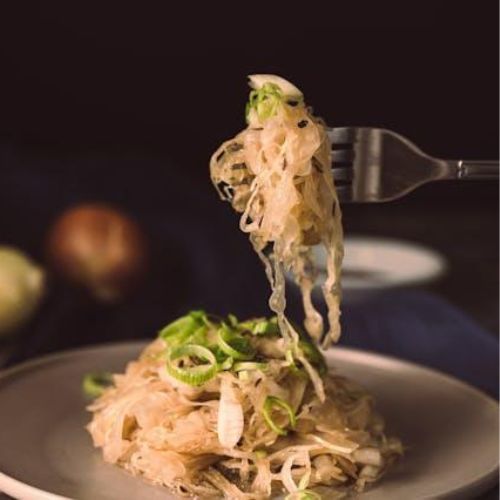
Fermented foods like kimchi, sauerkraut and miso can add tanginess and complexity to dishes. Fermented foods are rich in probiotics and enzymes, which can support gut health and digestion.
Tips
- Use kimchi or sauerkraut as a topping for tacos, salads or grain bowls.
- For a savoury umami boost, stir miso paste into soups, sauces or marinades.
14. Toast Nuts and Seeds for Enhanced Flavour

Toasting nuts and seeds brings out their natural oils and intensifies their flavour. Simply heat them in a dry skillet over medium heat until golden and fragrant. Toasted nuts and seeds add crunch, richness and nuttiness to dishes.
Tips
- Be careful not to burn the nuts or seeds, as they can become bitter.
- Sprinkle toasted nuts and seeds over salads, soups or roasted vegetables for added texture and flavour.
15. Make Your Own Broths and Stocks
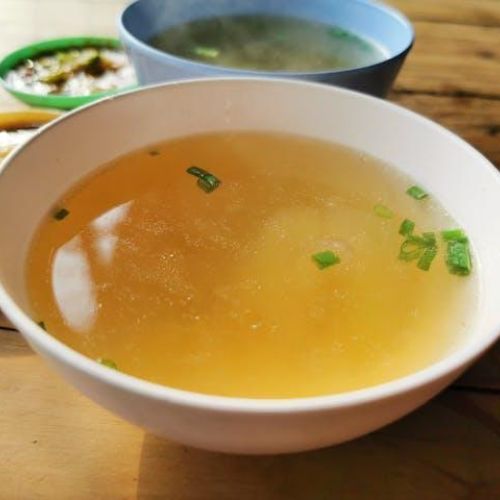
Homemade vegetable broth or stock can be made by simmering vegetables, herbs and spices in water for a few hours. Homemade broths and stocks are rich in flavour and nutrients, making them a versatile base for soups, stews and sauces.
Tips
- Save vegetable scraps like onion peels, carrot tops and herb stems to use in homemade broth.
- Freeze homemade broth in ice cube trays for easy portioning and use in recipes.
Conclusion
Cooking flavourful vegan meals without oil can open up a world of creative culinary possibilities. Embracing these techniques and a rich array of vegan ingredients lets you create dishes that are not only healthier but also bursting with flavour.
Whether you’re a seasoned vegan or just exploring plant-based cooking, these hacks will help you craft delicious, satisfying meals that everyone will love.

Jenny has been vegan for five years and vegetarian since the age of ten. She lives in Bristol, England, with her husband, kids and dogs. Jenny loves weightlifting and cooking up plant-based receipes that will help her hit those protein goals while also keeping the fusspot kids happy. Jenny wishes that it was Veganuary every month, because it’s always so sad when the vegan aisle shrinks at the end of the season.
Been trying to up my game with spices and this list is spot on. Turmeric’s been a game changer for me.
GeoffLovesCurry, have you tried combining turmeric with cumin? I’ve read it works wonders!
amyS, absolutely! turmeric and cumin is a classic combo. add a bit of ginger for an extra kick.
Water sautéing? Sounds like a soggy disaster waiting to happen. Convince me otherwise..
Absolutely adore the section on plant-based milks and creams. Any specific brands you recommend for cooking?
never thought about using citrus like that in my meals, gonna give it a try. cheers for the tip!
Incorporating fermented foods is a genius move for depth of flavour. Been preaching about kimchi benefits for ages.
Intrigued by the use of aquafaba. Has anyone experimented with it beyond just vegan meringues?
Mastering the use of salts isn’t given enough credit. It’s all about finding the right balance.
The tips on spices have transformed my cooking. Experimenting has become my new hobby!
Making your own broths and stocks is a game-changer. Store-bought ones can’t compare.
this might sound dumb, but how do you toast nuts and seeds without burning them???