
The curtains are finally coming down on Marineland France, Europe’s largest marine park. After years of protests, petitions and high-profile activism, the park will permanently shut its doors on January 5, 2025.

For animal rights activists, this isn’t just a win, it’s a moment to savour. Groups like PETA France, alongside countless supporters, have been tirelessly campaigning against the cruelty of cetacean captivity. The park’s closure is a testament to what persistence and people power can achieve.
A Spotlight on Cruelty
If you’ve ever wondered how far people will go to spotlight injustice, look no further than PETA honorary director Pamela Anderson. She stripped down and hopped into a bathtub to draw attention to the cramped tanks that orcas like Wikie and Keijo call home.

The message was clear, no animal deserves to live in a glorified fishbowl.
And it wasn’t just Pamela. Nearly 50,000 people signed petitions, attended protests and wrote letters demanding Marineland’s closure. Every voice, every signature, every small action added up to this massive win for marine life.
The Bigger Question: What Happens to Wikie and Keijo?
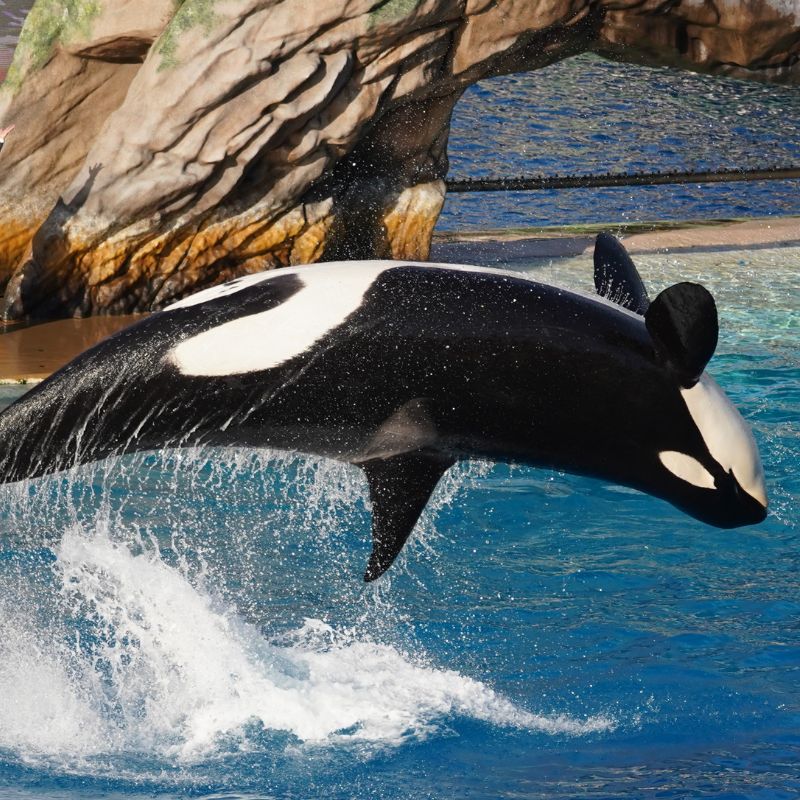
With Marineland shutting down, the focus now shifts to its last two resident orcas, Wikie and Keijo. Animal rights groups are adamant that these animals shouldn’t be shuffled off to another marine park to face the same grim conditions.
Instead, they’re calling for Wikie and Keijo to be transferred to a sea sanctuary, where they can live out their days with some semblance of freedom.
PETA put it bluntly in their statement: “The only ethical option is to send these long-suffering orcas to a sea sanctuary.”
And it’s not hard to see why. Orcas in captivity suffer from extreme physical and mental stress. In the wild, they swim up to 100 miles a day, hunting, socialising and living in tightly-knit pods. Tanks, no matter how large, are prisons in comparison.
Marineland’s track record speaks volumes. Earlier this year, a 25-year-old orca named Inouk died, the second orca to pass away in just six months. These deaths are part of a disturbing pattern seen across marine parks.
The Bigger Picture: The Decline of Marine Parks
Marineland’s closure isn’t happening in isolation, it’s part of a global movement away from marine animal exploitation.
In the US, the Miami Seaquarium faced a similar fate earlier this year after mounting public backlash. Even travel companies are taking a stand, with European carrier Jet2 recently halting ticket sales to marine parks.
But let’s not pop the champagne just yet. Some companies, like TUI, are still promoting marine parks, and facilities worldwide continue to profit from animal captivity. Activists are urging the public to keep up the pressure until marine animal exploitation is a thing of the past.
Why This Matters
Marineland’s closure is a win, yes, but it’s also a reminder of the work still ahead.
The ultimate goal? Liberating all marine animals from captivity. Because animals like Wikie and Keijo deserve more than applause; they deserve freedom.
For now, let’s celebrate this milestone. Marineland’s closure proves that change is possible when people come together and refuse to back down.
Suggested read: Pamela Anderson’s Latest Project Will Change How You Think About Vegan Cooking

Jac has been vegan for 15 years – long enough to wonder if tofu owes her a loyalty card. Hailing from Scotland, she enjoys the breathtaking scenery and believes vegan haggis deserves more appreciation. A proud mum to a curious and energetic daughter, Jac spends her time hiking scenic trails, devouring books, practicing yoga, honing her badminton skills, and creating colourful artwork with her trusty colouring pens. She’s passionate about living a vibrant, compassionate, and cruelty-free life, all while championing the magic of tofu.