
Feeling sluggish? Your plant-based diet might be missing a key ingredient.
Iron is the energy-boosting mineral you need to keep fatigue at bay, and the good news is that you don’t need meat to get it.
Tons of plant-based foods are packed with iron and ready to give you a serious energy boost. These 7 vegan iron powerhouses are packed with everything you need to fuel your body, crush your goals, and stay energised all day long.
Let’s dive in and discover these vegan iron sources that’ll have you feeling like a superhero in no time!
1. Legumes: Your New Best Friends

Beans, lentils, and chickpeas aren’t just delicious – they’re like little iron factories for your body. These guys are loaded with iron and they give you a nice protein and fibre punch too.
Red lentils are the real superstars here. 100g cooked gives you about 4.1 mg of iron. That’s around 28% of the daily iron requirement for women aged 19-50 (14.8 mg) and around 47% for men aged 19+ (8.7 mg). Women over 50 have a lower requirement of 8.7 mg, similar to men.
Try tossing lentils in soups or curries, or whipping up a tasty lentil loaf.
And don’t forget about chickpeas! They contain 3 mg of iron per 100g serving.
Roast them for a crunchy snack, blend them into hummus, or toss them into your salad for an easy iron boost. I have more chickpea recipes here for you.
2. Leafy Greens: The Nutrient Ninjas
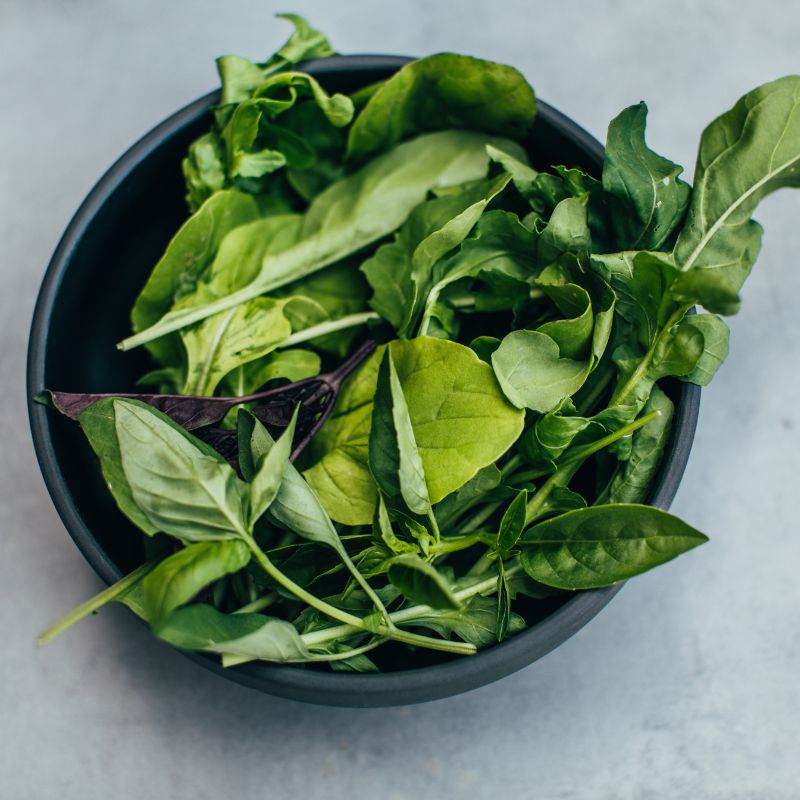
Remember Popeye and his spinach obsession? Well, he was onto something! Leafy greens are iron goldmines, with spinach leading the pack at 3.6 mg of iron per 100g when cooked.
But don’t stop at spinach! Collard greens, kale, and Swiss chard are awesome too. And here’s a cool bonus: these greens are packed with vitamin C, which helps your body soak up all that iron even better.
Pro tip: Give your greens a quick cook to make that iron easier for your body to use.
Cooking greens, especially spinach, can help reduce their oxalate content, which can inhibit iron absorption. A quick sauté or steam does the trick! It breaks down these compounds, making the iron more bioavailable for your body.
3. Seeds and Nuts: Tiny but Mighty
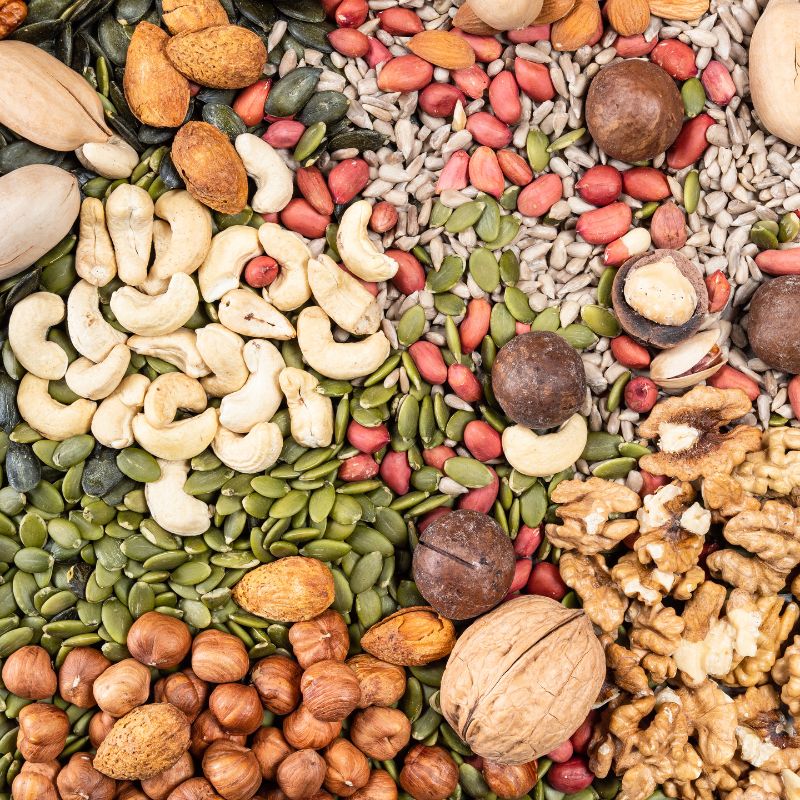
Don’t let these little guys fool you – seeds and nuts are nutrition dynamite!
Pumpkin seeds are the champs here, with 8.8 mg of iron per 100g serving. Sprinkle them on salads, toss them in smoothies, or just munch on them as a snack.
Sesame seeds are great choices too. Packing in 14.6mg of iron per 100g.
Ever tried tahini? It’s made from sesame seeds and can add an iron boost to dressings, sauces, and even desserts!
Hemps seeds and chia seeds are superstars too. Hemp seeds have 8 mg of iron per 100g and chia seeds almost match them with 7.7mg per 100g.
Just remember, a little goes a long way with seeds and nuts. They’re pretty high in calories, so enjoy them in moderation.
4. Whole Grains: The Energy Sustainers
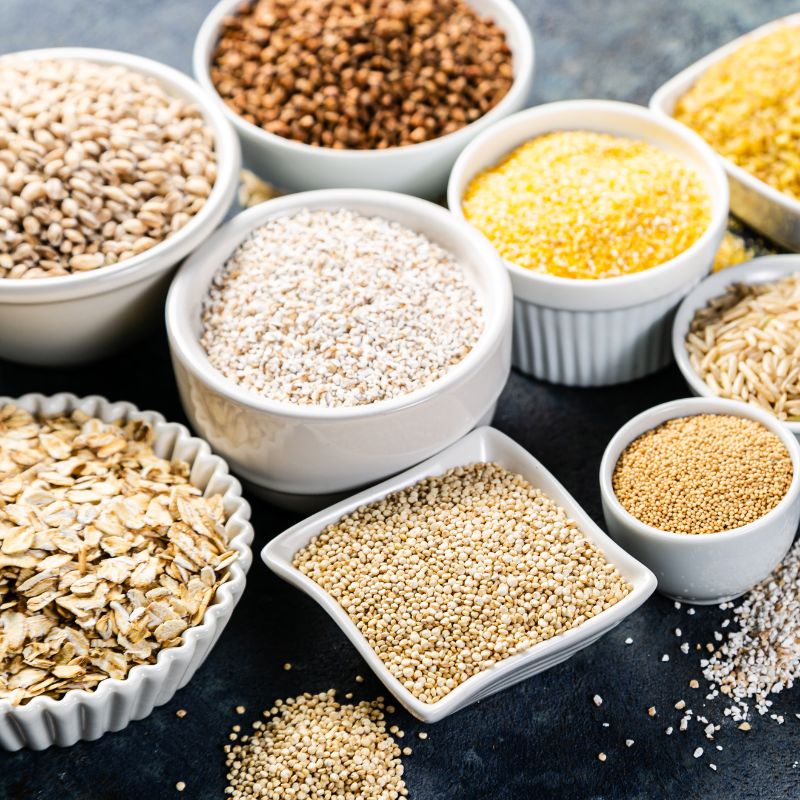
Quinoa isn’t just trendy – it’s an iron superhero! 100g of cooked quinoa gives you 1.5 mg of iron. Plus, it’s a complete protein source, containing all nine essential amino acids in sufficient quantities.
Oats are another excellent choice, with around 1.5 mg of iron per 100g of cooked oats. Start your day with a big bowl of oatmeal topped with iron-rich fruits and seeds, and you’ll be ready to take on the world!
Oh, and don’t forget about fortified cereals. Ready Brek has a whopping 12mg of iron per 100g and Weetabix has 4.5mg per 2 biscuits (37.5g), making them an easy way to boost your intake, especially when paired with a source of vitamin C, like a glass of orange juice, to help with absorption.
Suggested read: 7 Grains You’ve Probably Never Tried But Should Add to Your Vegan Diet
5. Dried Fruits: Nature’s Iron-Rich Candy
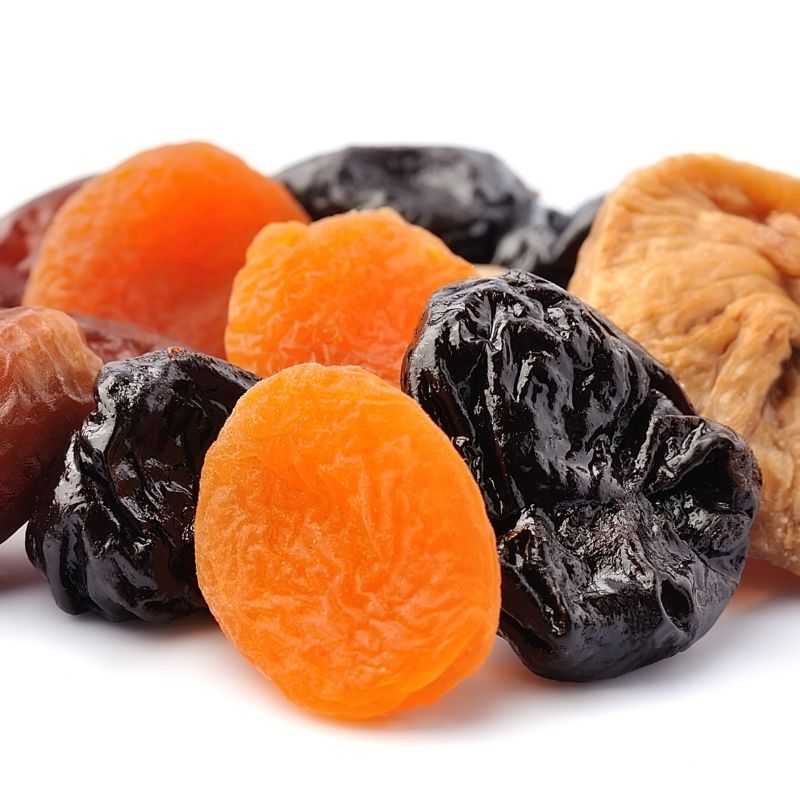
Who says getting your iron can’t be sweet? Dried apricots, raisins, and prunes are like nature’s candy – and they’re packed with iron too!
Dried apricots give you 3.9mg of iron per 100g. They’re perfect for snacking on the go or adding to your morning oatmeal.
Raisins and prunes are solid choices too, with about 1.9mg and 1mg of iron per 100g respectively.
Just remember, dried fruits have a lot of natural sugars, so enjoy them as part of a balanced diet.
6. Chocolate. Yes, Chocolate!
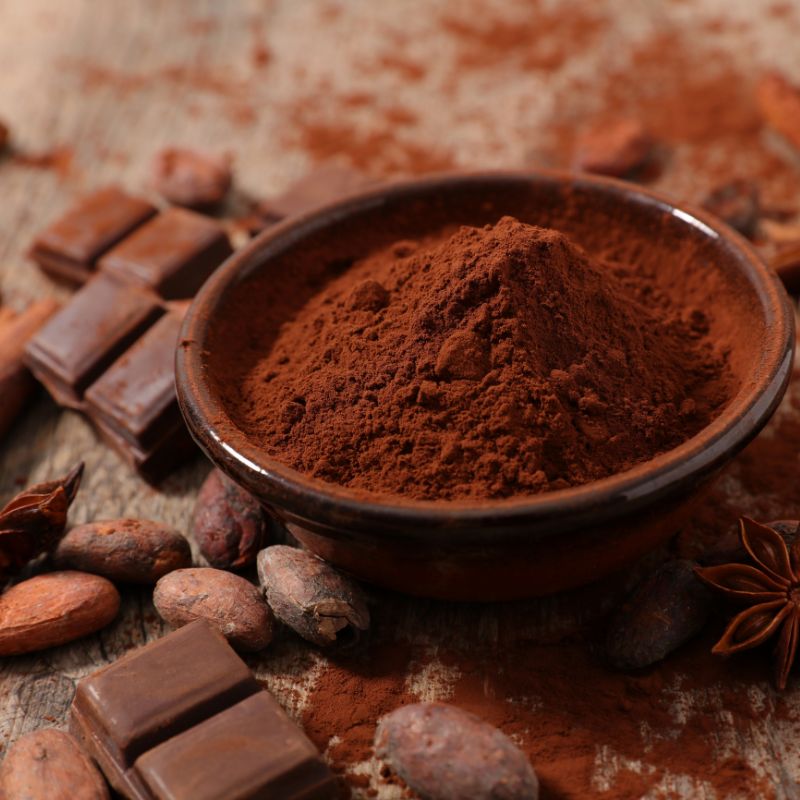
Who says indulging can’t be healthy? Both cocoa powder and its less processed cousin, cacao powder, are excellent sources of vegan iron. A 100g of cocoa powder can pack an impressive 10-12 mg of iron, which is a great addition to a plant-based diet.
Incorporating cocoa or cacao powder into things like smoothies, desserts, baking, pancakes, and oats is a tasty and easy way to boost your iron intake.
And don’t forget, dark chocolate (at least 70% cocoa) is also a tasty and iron-rich option. 100g can give you around 8 -12mg of iron, making it a sweet way to keep your iron levels up while satisfying your cravings!
Read more: The Best & Worst Vegan Chocolate Bars in the UK
7. Tofu and Tempeh: Protein-Packed Iron Boosters

Tofu and tempeh are not only excellent plant-based protein sources but also solid contributors to your iron intake. 100g of tofu provides around 5.4 mg of iron, while tempeh offers about 2.7 mg.
These soy-based foods are incredibly versatile – grill them, stir-fry them, or toss them into a salad or curry for a delicious iron boost.
Tips to Turbocharge Your Iron Levels
Iron and Vitamin C are Best Buds
Pair your iron-rich foods with vitamin C to help your body absorb more iron. Your body has an easier time with the iron from plants (non-heme iron) when vitamin C is around to help.
Try these easy combos:
- Spinach salad with bell peppers and lemon dressing
- Lentil soup with a side of steamed broccoli
- Oatmeal topped with strawberries and pumpkin seeds
Iron Cookware and Tools
Using pots and pans made of cast iron in cooking can also increase the amount of iron in the food, especially those with higher acidity or moisture content, such as tomato sauce or applesauce.
A study found that the iron content in tomato sauce increased from 0.6 mg to 5.7 mg per 100g after cooking in a cast iron pot.
The lucky iron fish or leaf is also a great tool to increase your iron intake.
Power Up Iron Absorption with Lysine
Don’t forget to get enough lysine. Lysine is key for absorbing non-heme iron efficiently. Studies have shown that lysine-rich foods enhance iron uptake, which is crucial for preventing issues like hair loss.
Watch Out for Iron Inhibitors
While you’re focusing on iron-rich foods, keep an eye out for anti-nutrients that can make it harder for your body to absorb iron:
- Calcium (like in fortified plant milks)
- Tannins (in tea and coffee)
- Phytates (in whole grains and legumes)
Don’t worry though, just try to space them out a bit. Have a glass of plant milk or your tea/coffee a couple of hours before or after your iron-rich meal.
Soaking beans reduces antinutrients like phytic acid, which can block iron absorption. While you’ll still get some iron without soaking, soaking helps you absorb more.
Meal Planning for Iron Success
Now that you know all about these iron superstars, let’s put them to work! Here are some meal ideas to get you started:
Breakfast:
- Quinoa porridge with dried apricots, pumpkin seeds, and a splash of vitamin C-rich orange juice
- Tofu scramble with spinach and nutritional yeast, served with whole-grain toast
Lunch:
- Lentil and kale soup with a side of bell pepper slices
- Chickpea salad sandwich on whole-grain bread, paired with strawberries
Dinner:
- Stir-fry with tofu, broccoli, and cashews over brown rice
- Black bean and sweet potato tacos topped with pumpkin seeds and lime juice
Snacks:
- Apple slices with almond butter
- Hummus with carrot sticks and cherry tomatoes
- Homemade trail mix with nuts, seeds, and dried fruit
When to Consider Supplements
While a well-planned vegan diet can provide all the iron you need, there are times when supplements might be helpful. It’s important to consult your doctor about supplementation if:
- You’ve been diagnosed with iron deficiency or anaemia.
- You’re pregnant or breastfeeding, as iron needs increase during these periods to support both you and your baby.
- You experience heavy menstrual periods, which can deplete iron stores more quickly.
- You’re an endurance athlete, as intense training can increase your body’s iron demands.
If you do need to supplement, look for vegan-friendly iron supplements that are gentle on the stomach and pair them with a source of vitamin C to boost absorption. Iron bisglycinate is a chelated form of iron that is known for being easier on the stomach compared to other forms like ferrous sulfate.
Always follow your healthcare provider’s advice on dosage to avoid taking too much iron, which can cause side effects like stomach pain, nausea and vomiting, and even damage to the brain and liver if left unchecked!
Keep Tabs on Your Iron Status
Don’t wait until you’re feeling completely wiped out to check in with your doctor.
Watch out for signs that might mean you’re low on iron like:
- Feeling tired all the time
- Pale skin
- Getting out of breath easily
- Brittle nails
- Weird cravings for non-food items (pica)
The Bottom Line
Now that you’re armed with the knowledge of these seven vegan iron sources, you’ve got everything you need to keep your energy levels soaring.
Whether you’re snacking on nuts and seeds, indulging in dark chocolate, or packing your meals with iron-rich legumes, it’s easier than ever, and delicious, to meet your iron needs on a plant-based diet.
Remember, it’s not just about getting enough iron, it’s about pairing it with vitamin C to make sure your body can soak it all up.
Now go out there and show the world what plant-powered energy looks like!
Related Posts:
- How to Get Enough Iron on a Vegan Diet Without Overloading on Spinach
- 10 Surprising Ways Veganism Can Improve Your Sleep
- 14 Things to Know Before You Choose Vegan Supplements

Jac has been vegan for 15 years – long enough to wonder if tofu owes her a loyalty card. Hailing from Scotland, she enjoys the breathtaking scenery and believes vegan haggis deserves more appreciation. A proud mum to a curious and energetic daughter, Jac spends her time hiking scenic trails, devouring books, practicing yoga, honing her badminton skills, and creating colourful artwork with her trusty colouring pens. She’s passionate about living a vibrant, compassionate, and cruelty-free life, all while championing the magic of tofu.
Interesting read on iron-rich foods, especially the bit on chocolate. Who knew a bit of indulgence could also benefit your iron levels? Always thought it was just a guilty pleasure!
True, dark chocolate contains iron, but it’s also high in calories and should be consumed in moderation. Combining it with nuts or seeds can make a healthier snack.
Guess i’m on the iron diet now, bring on the chocolate!
Was excited to see tofu and tempeh on the list! Does anyone have any creative recipes that incorporate these with iron-rich veggies?
whole grains are the backbone of my meals, glad to know they’re doing more than just filling me up. this article’s a great reminder of why we should choose whole over refined. Thanks!