
Thinking of going vegan? Awesome! But did you know that some new vegans end up missing out on key nutrients?
Let’s dive into 14 common vegan dietary deficiencies and how to avoid them.
Spoiler alert: You won’t believe how easy it is to stay healthy and vibrant on a vegan diet!
1. Vitamin B12: The Energizer Bunny You Need

B12 keeps you energised and supports nerve health. It’s naturally found in animal products like meat, dairy, and eggs. Vegans need fortified foods or supplements — so look for fortified plant milk, cereals, and vegan meat substitutes.
2. Iron: Popeye’s Secret Weapon
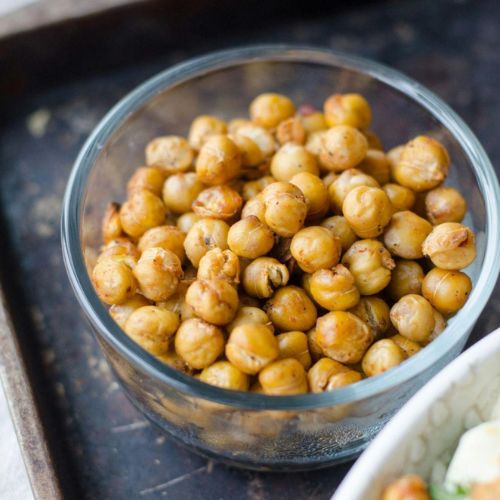
Iron is crucial for blood health. While red meat is a common source, vegans can find iron in beans, lentils, chickpeas, quinoa, and spinach.
Pro-tip: Pair vegan iron-rich foods with vitamin C-rich foods like oranges or bell peppers to enhance absorption.
3. Omega-3 Fatty Acids: Brain Fuel
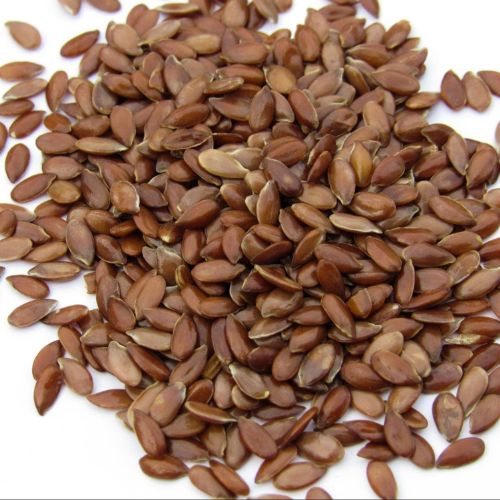
These essential fats are key for brain function and heart health. Fish is a well-known source, but vegans can get their omega-3s from flaxseeds, chia seeds, hemp seeds, and walnuts.
Pro-tip: Add a tablespoon of ground flaxseed to your morning oats or toss chia seeds into your smoothie.
Suggested read: The Best and Worst Sources of Vegan Omega-3s
4. Calcium: Strong Bones, Happy Life
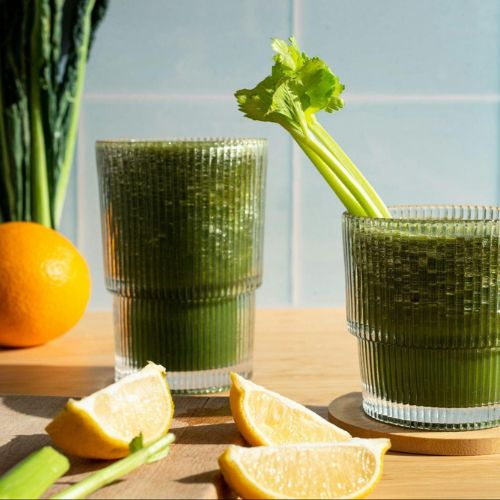
Many people think calcium only comes from milk and cheese, but vegans can get calcium from kale, broccoli, bok choy, almonds, and fortified plant milk.
Pro-Tip: Start your day with a kale smoothie or enjoy a broccoli stir-fry for dinner.
5. Creatine: Muscle Power
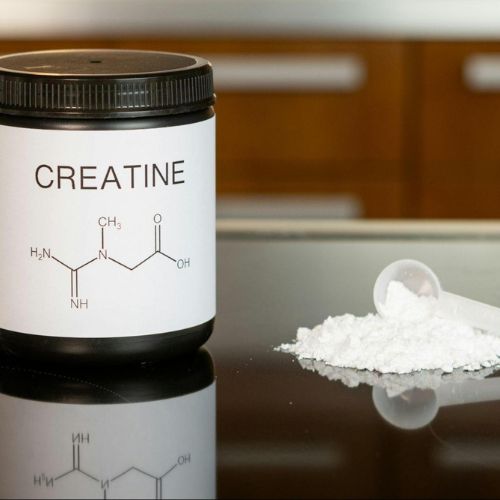
Creatine is known for its role in muscle health and energy production. It is mostly found in animal products such as red meat and fish. Since vegan diets lack these sources, vegan athletes often use creatine supplements to ensure they have enough for optimal performance.
6. Cholecalciferol (Vitamin D3): The Vital Sunshine Vitamin

Cholecalciferol, or Vitamin D3, is essential for calcium absorption and bone health. It’s in animal products like fatty fish, liver, and egg yolks. We also get it from sunlight, but that’s often scarce in the UK, especially in winter.
For vegans, fortified foods like plant milk and cereals are great sources. There are also vegan-friendly supplements made from lichen.
7. Zinc: Immunity Booster
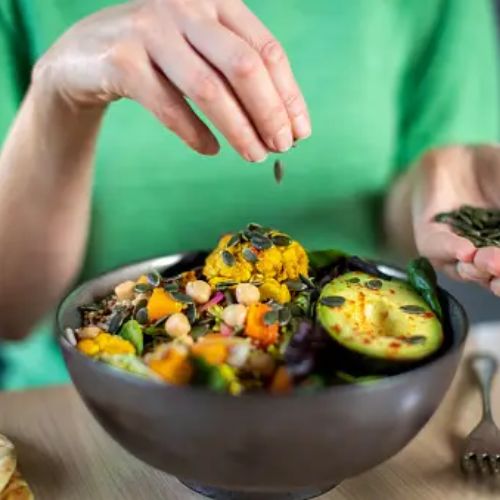
Zinc is crucial for a strong immune system and wound healing. It’s found in meat and shellfish, but vegans can get zinc from whole grains, legumes, tofu, tempeh, nuts, and seeds.
Pro-Tip: Try a handful of pumpkin seeds as a snack or sprinkle them on your salad.
8. DHA (Docosahexaenoic Acid): Brain and Heart Health
DHA, or Docosahexaenoic Acid, is an omega-3 fatty acid vital for brain function and heart health. It’s primarily found in fatty fish like salmon, mackerel, and tuna. Vegan sources for DHA include algae-based supplements like algae oil capsules, which provide the same benefits as fish oil.
9. Protein: Not Just for Bodybuilders
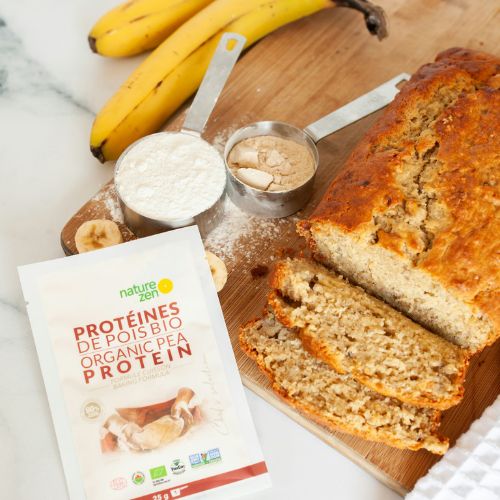
Protein is vital for muscle repair. While meat, dairy, and eggs are common sources, vegans have plenty of options: beans, lentils, chickpeas, tofu, tempeh, quinoa, and even some vegetables like peas and spinach. A spicy lentil curry or a hearty tofu stir-fry can easily meet your protein needs!
10. Iodine: Keep Your Thyroid Happy
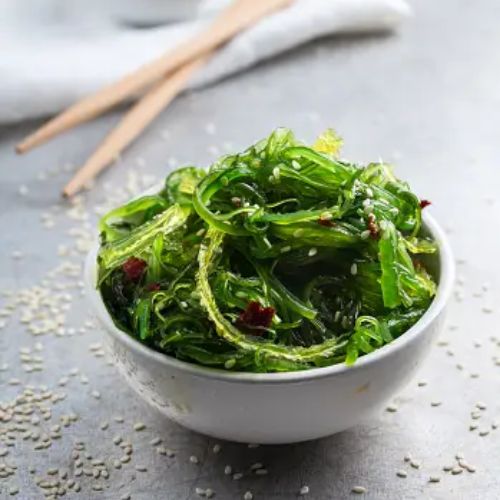
Iodine is essential for thyroid function. Dairy and fish are common sources, but seaweed is a fantastic source of iodine for vegans. Enjoy it in sushi, sprinkle dried seaweed on your salads, or add it to soups.
Pro Tip: If seaweed isn’t your thing, iodised salt is a simple alternative.
11. Selenium: The Trace Mineral Wonder
Selenium is a powerful antioxidant that helps protect your body from damage. It’s also vital for thyroid function and immune health. Found in seafood and organ meats, just two Brazil nuts a day provide all the selenium you need. How easy is that?
12. Carnosine: Antioxidant Defence
Carnosine has antioxidant properties and supports muscle health. It is found in animal products such as meat and fish. However, vegans can focus on a balanced diet rich in antioxidants from plant-based sources like fruits, vegetables, nuts, and seeds and consider supplements if needed.
13. Vitamin A: Vision and Beyond
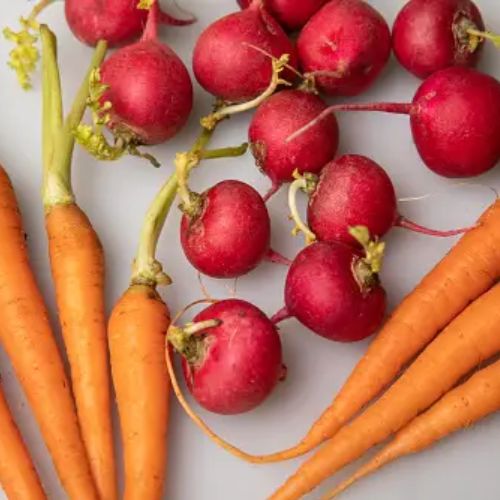
Vitamin A is important for vision, immune function, and skin health. Though commonly found in liver and dairy, vegans can get it from beta-carotene in colourful vegetables. Carrots, sweet potatoes, and butternut squash are fantastic sources.
Pro Tip: Carrot sticks with hummus or a creamy sweet potato soup are great options.
14. Taurine: Cellular Health
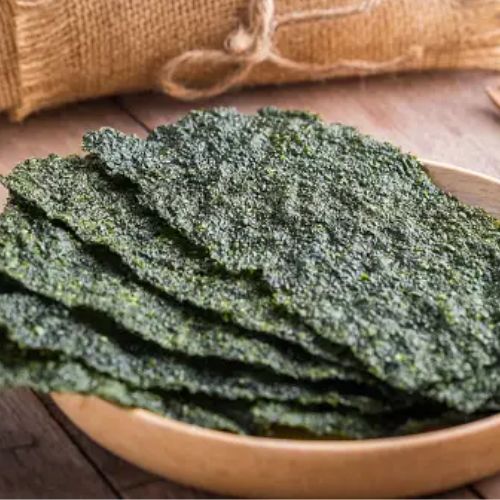
Taurine supports cellular health and is typically found in animal products like meat and fish. Vegans can obtain taurine from seaweed or supplements. Enjoying seaweed snacks or adding seaweed to your salad can be a delicious way to include this nutrient in your diet.
Conclusion: Stay Vegan and Thrive
Avoiding these common deficiencies is easy with a bit of planning. Remember to diversify your meals, include fortified foods and consider supplements if needed.
Ready to thrive on a vegan diet? You’ve got this!

Jenny has been vegan for five years and vegetarian since the age of ten. She lives in Bristol, England, with her husband, kids and dogs. Jenny loves weightlifting and cooking up plant-based receipes that will help her hit those protein goals while also keeping the fusspot kids happy. Jenny wishes that it was Veganuary every month, because it’s always so sad when the vegan aisle shrinks at the end of the season.
Loving the spotlight on Omega-3s and DHA for brain healt. It’s ace that you’re boosting awareness about how vegans can source these vital nutrients without compromising their ethics. Cheers!
Hey, SamTheVeggie, any tips on the best vegan sources for Omega-3 and DHA?
Hey GreenThumbGina, absolutely. Algal oil supplements are a solid bet for DHA, and for Omega-3s, flaxseeds, chia seeds, and walnuts are fab options.
Big up the section on Creatine! Not everyone knows it’s not just for meat-eaters. Plant-based alternatives exist and they work just as well. Props for highlighting that.
Regarding your points on vitamin D3, I found it interesting you mentioned cholecalciferol. It’s crucial for everyone to understand the importance of vitamin D, especially in regions with limited sunshine. A well-researched piece!
Iodine’s role in thyroid health cannot be overstated. Appreciative of the shoutout to this often overlooked mineral. It’s a game-changer for energy levels and overall wellbeing.
Loved how you tied in Carnosine with antioxidant defence. It’s not talked about enough in vegan circles. Good job on bringing attention to it.
All these supplements, but can they really replace the real deal? Not convinced you can get all you need from just plants and pills.
Spot on with the Zinc and immunity boost. It’s amazing how many overlook this simple mineral in their diet. Your article does a great job in educating.
While I agree with much of what’s said, I reckon there’s more to discuss on vitamin B12 absorption in vegan diets. It’s a vital conversation.
how do you even keep track of all these nutrients? Seems like a lot of work to make sure you’re getting enough of each.
Spotlight on protein is ACE! It’s mega important to debunk the myth that you can’t get enough protein on a vegan diet. Great piece.