
Ever wondered who the first vegans were? While the word “vegan” only popped up in 1944, the story of plant-based living goes back thousands of years!
From ancient Indian philosophers to Greek thinkers like Pythagoras, people have been questioning what’s on their plates for centuries.
Buckle up for a fascinating journey through time as we explore how veganism evolved from ancient spiritual practices to a modern global movement. You might be surprised to learn that some of history’s most influential figures were championing plant-based diets long before it was cool!
The Ancient Roots of Veganism (800 BC – 500 BC)

The first real push towards plant-based eating came from early Indian philosophers. Have you heard of Parshvanatha and Mahavira? These guys were like the original vegan influencers!
- Parshvanatha (c. 8th–7th century BCE), a spiritual leader, championed ahimsa (non-violence) and introduced the “Fourfold Restraint,” urging followers to avoid harming living beings.
- Mahavira (c. 599–527 BCE) expanded these ideas with his “Five Great Vows,” embedding vegetarianism into Jainism by advocating for non-violence in thought, word, and deed.
They introduced some pretty revolutionary ideas about non-violence and vegetarianism.
Parshvanatha emphasised the principle of ahimsa (non-violence) and established the “Fourfold Restraint,” which included a commitment to non-harming. This doctrine laid the groundwork for the strict vegetarian practices observed in Jainism.
Mahavira expanded upon Parshvanatha’s teachings. He introduced the “Five Great Vows,” with ahimsa as the foremost principle, advocating for non-violence in thought, word, and deed. Mahavira’s teachings reinforced and systematised the practice of vegetarianism within Jainism.
And let’s not forget about those ancient Hindu texts – the Bhagavad Gita and Manusmṛti – which taught people to be kind to all living creatures.
Animal Worship in Ancient Egypt (3000 BC – 30 BC)

Ever wondered what the ancient Egyptians thought about animals? Well, they absolutely adored them!
They held many animals in such high regard that they considered them sacred. For instance, cats were associated with the goddess Bastet and were believed to embody protection and fertility.
Similarly, crocodiles were linked to the god Sobek, symbolizing strength and power. They had a whole lineup of animals they saw as sacred. Take the ibis, for example—this elegant bird was linked to Thoth, the god of wisdom. And then there’s the jackal, representing Anubis, the protector of the dead.
Even the humble scarab beetle wasn’t just another creepy crawly; it was tied to Ra, the sun god, and symbolised transformation and renewal. Animals weren’t just animals back then – they were practically celebrities with divine connections!
During Pharaoh Akhenaten’s time, there was this cool concept called ‘Ma’at‘ – think of it as a cosmic balance sheet for keeping everything in harmony. While their diet wasn’t vegan, their reverence for living beings hinted at values aligned with plant-based
Greek and Roman Vegetarian Philosophers (600 BC – 100 AD)

Now, let’s talk about Pythagoras – and no, not just the math guy!
He was actually one of the first big names to champion vegetarianism in the Western world. Think of him as the ancient Greek version of a modern-day wellness guru. He wasn’t just saying “skip the meat” – he believed that a plant-based diet could benefit both your body and soul.
But Pythagoras wasn’t alone in this thinking. Other brilliant minds like Empedocles and Theophrastus jumped on the bandwagon too.
Empeocles believed in the transmigration of souls, positing that human souls could inhabit animal bodies. This belief led him to oppose the killing and consumption of animals, as he saw them as kin to humans.
Theophrastus wasn’t a fan of eating meat. He thought it was unfair because it took animals’ lives. He believed animals could think, feel, and sense things just like humans.
Even some famous Romans got in on the action – Ovid and Seneca raised some pretty thought-provoking questions about eating animals. They were like the ancient world’s food critics, but instead of reviewing restaurants, they were reviewing the ethics of what was on their plates!
These early advocates didn’t call themselves “vegan” (that word wouldn’t come around for a couple of thousand years), but they were definitely onto something. They started conversations about food choices that we’re still having today, just with different words and perspectives.
Buddhism and Jainism (600 BC – Present)

Want to know how plant-based eating spread across Asia? It’s a fascinating story!
Buddhism and Jainism played a huge role in sharing these compassionate food choices. Chinese Buddhism took things to a whole new level with what they called the ‘Pure Buddhist’ diet – avoiding all animal products.
The Jains? They were next-level committed! Not only did they skip all animal products, but they also passed on root vegetables and even filtered their water. Why? They wanted to be super careful not to harm any living thing, even tiny organisms you can’t see. Talk about dedication to the cause!
Think of these Buddhist and Jain traditions – they started in one place but spread far and wide across Asia. Their influence was so strong that we can still see their impact in many Asian cultures today. Some of the oldest vegan traditions in the world can be traced back to these ancient spiritual practices.
The Renaissance to Early Modern Period (15th – 19th Century)

While Asia was doing its thing, Europe was having its own plant-based awakening.
During the Renaissance and Enlightenment periods, some pretty forward-thinking folks started questioning what was on their plates.
Ever heard of Dr. William Lambe? Back in the 1800s, he was telling anyone who would listen about the benefits of ditching animal products – and he had some pretty convincing arguments!
Dr. Lambe wasn’t just talking about being kind to animals (though that was part of it). He was way ahead of his time, pointing out how plant-based diets could make people healthier. It’s kind of like he had a crystal ball – many of the health benefits he talked about have been proven by modern science!
During this time, more and more people started thinking differently about food. They weren’t just asking “What’s for dinner?” but “Why do we eat what we eat?”
These conversations weren’t just happening in fancy universities or medical offices – they were happening in homes and marketplaces too. People were starting to connect the dots between what they ate and how they felt, both physically and morally.
Remember, this was all happening before anyone had even coined the term “vegan.” These medieval and early modern pioneers were laying the groundwork for what would later become a global movement.
Pretty cool how ideas that started so long ago are still shaping how we think about food today, right?
The Birth of Veganism as a Movement (1944)

Here’s something that might surprise you – the word “vegan” isn’t really that old!
It all started in 1944 when Donald Watson, a pretty creative guy from England, decided we needed a special word for people who didn’t just skip meat, but avoided all animal products. He took the beginning and end of “vegetarian” and boom – “vegan” was born!
It’s amazing how one word could spark such a massive global movement.
Hippies and Veganism (1960s – Present)

The 1960s and ’70s were wild times for veganism! While everyone was talking about peace and love, they were also rethinking what went on their plates. It was like a perfect storm – the counterculture movement was in full swing, and people were questioning everything, including their food choices.
Remember Frances Moore Lappé? Her book “Diet for a Small Planet” hit the shelves in 1971 and totally changed the game. She wasn’t just talking about personal health – she connected the dots between our food choices and the planet’s wellbeing. Talk about ahead of her time! The book became like a handbook for vegans in ancient times.
Veganism Goes Mainstream (2000 – Present)
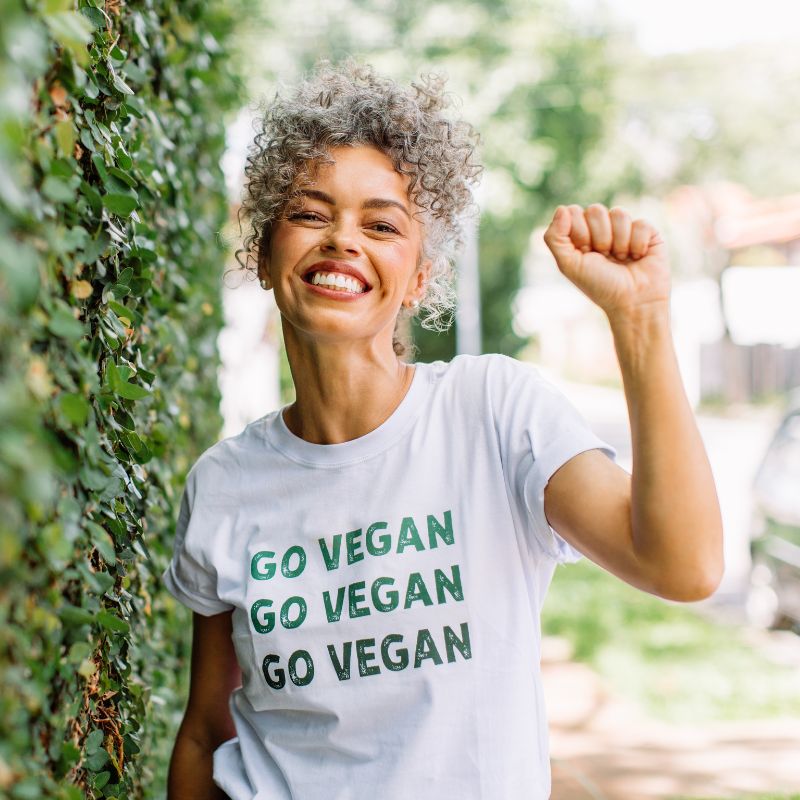
Fast forward to today, and wow, has veganism come a long way!
People are choosing plant-based diets for all sorts of reasons. Some folks are worried about their health (those veggie burgers are getting pretty tasty!), others are thinking about climate change (did you know cutting down on animal products helps the environment?), and many just love animals too much to eat them.
And let’s talk about social media – it’s like veganism’s best friend! Every time you open Instagram or TikTok, there’s probably someone showing off their amazing vegan meal or sharing tips about plant-based living.
Even celebrities are getting in on the action. When stars like Beyoncé talk about trying vegan meals, millions of fans start thinking, “Hey, maybe I should give this a try too!”
The cool thing is, being vegan today is easier than ever. You can walk into almost any supermarket and find dairy-free ice cream, plant-based meat alternatives, and all sorts of vegan goodies that would’ve blown Donald Watson’s mind back in 1944.
Who would’ve thought that his simple word would turn into such a powerful movement that’s changing how people around the world think about food?
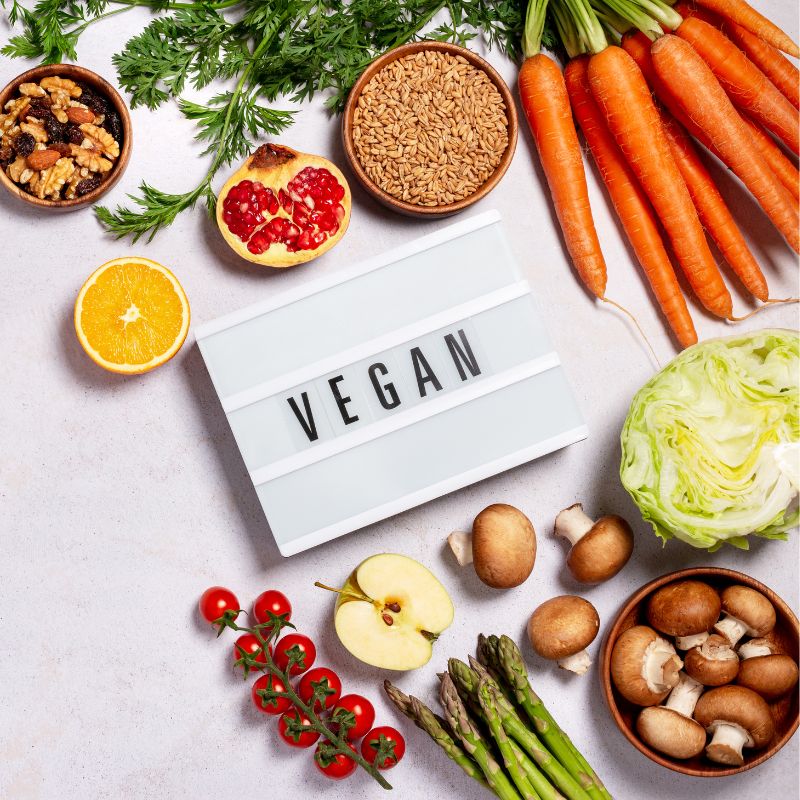
Have you noticed how veganism isn’t just a niche thing anymore? It’s everywhere! From Brighton to Berlin, plant-based eating has gone totally mainstream.
Walk into any supermarket today, and you’ll find entire aisles dedicated to vegan products. Who would’ve thought we’d see the day when you could grab a veggie burger at pretty much any fast-food joint?
The vegan industry is booming like never before. We’re not just talking about tofu and salads anymore – we’ve got vegan cheese that actually melts, ice cream that’s creamy without the cream, and meat alternatives that could fool even the biggest carnivores. Companies are getting super creative, and consumers are eating it up (pun intended!).
What Science Has to Say

Here’s where things get really exciting – modern research is backing up what those ancient vegan pioneers somehow knew all along. Studies are showing that plant-based diets can be great for your health, helping with everything from heart disease to diabetes.
And get this – it’s not just about personal health anymore. Scientists have found that choosing vegan foods can help fight climate change too!
But let’s keep it real – there are still some heated debates in the scientific community. Some folks worry about getting enough B12 or protein on a vegan diet. Others argue about whether everyone can thrive on plant-based foods.
The cool thing is, these discussions are helping us learn more about nutrition and finding better ways to make vegan diets work for everyone.
Standing Up for Change

You know what’s really powered the vegan movement? Activism!
From peaceful protests to social media campaigns, activists have been super creative in spreading the word about plant-based living. They’re not just standing on street corners anymore – they’re making viral videos, running influential websites, and even working with big companies to develop better vegan options.
Modern campaigns are getting smarter too. Instead of just focusing on animal rights (though that’s still super important), they’re talking about everything from environmental impact to public health.
Organisations are using science, technology, and social media to reach more people than ever before. And here’s the best part – they’re showing everyone that going vegan doesn’t mean giving up the foods you love; it’s about discovering new favourites!
These days, picking plant-based options isn’t just about what you eat – it’s about being part of a bigger movement that’s changing how we think about food, health, and our planet. Pretty amazing how far we’ve come, right?
The Bottom Line
From its ancient roots in spiritual traditions to today’s thriving plant-based movement, veganism has come a long way! What started as scattered philosophical ideas and religious practices has grown into a global phenomenon that’s reshaping how we think about food, health, and our relationship with the planet.
The future of veganism looks brighter than ever, with more people embracing plant-based living for reasons those ancient pioneers never could have imagined.
As we face modern challenges like climate change and public health concerns, the wisdom of those early vegetarian thinkers seems more relevant than ever. Who knows what the next chapter in this remarkable story will bring?

Jac has been vegan for 15 years – long enough to wonder if tofu owes her a loyalty card. Hailing from Scotland, she enjoys the breathtaking scenery and believes vegan haggis deserves more appreciation. A proud mum to a curious and energetic daughter, Jac spends her time hiking scenic trails, devouring books, practicing yoga, honing her badminton skills, and creating colourful artwork with her trusty colouring pens. She’s passionate about living a vibrant, compassionate, and cruelty-free life, all while championing the magic of tofu.