
Most of us rotate through the same old grains – rice, wheat, and maybe a bit of quinoa when we’re feeling fancy.
But there’s a whole world of grains out there that could change the way you eat. Lesser-known grains that add variety, boost nutrition and bring new textures to your plate.
Ready to shake things up? Let’s dive into the 7 lesser-known grains that you need to add to your vegan diet.
1. Teff: The Tiny Nutritional Powerhouse

Looking for a versatile whole grain that packs a powerful punch? Meet teff!
This tiny Ethiopian grain has fueled warriors and athletes for over 4,000 years, and now it’s ready to shine in your kitchen.
This tiny grain is a calcium superstar. 100g of cooked teff offers around 40-50 mg of calcium. It’s also loaded with vitamin C and is high in iron and other essential minerals like magnesium, copper and manganese.
What makes it even better? It’s naturally gluten-free, making it perfect for anyone with dietary restrictions.
Although teff has slightly lower levels of lysine than some other grains, combining it with other lysine-rich foods, such as beans or lentils, can help create a balanced amino acid profile.
How to Cook Teff
- Creamy Porridge: Use 1 part teff to 4 parts water. Simmer for about 20 minutes for a smooth, satisfying texture.
- Fluffier Teff: For a less creamy consistency, use 275 ml of water for every 100g of teff and cook until the liquid is absorbed.
- Time Saver: Pre-soaking teff for 1–2 hours helps it cook even faster.
For an added flavour boost, try toasting teff in a dry pan before cooking, enhancing its natural nuttiness.
Serving Ideas
There are so many delicious ways to enjoy teff! It has a mild, earthy taste that pairs beautifully with both sweet and savoury dishes.
- Breakfast: Create a creamy porridge with almond milk, cinnamon, and a drizzle of maple syrup, topped with your favourite fruits and nuts.
- Savoury Pilaf: Pair teff with chickpeas, roasted vegetables, and smoked paprika for a hearty side dish.
- Traditional Ethiopian Injera: Use teff flour to make this spongy, tangy flatbread that’s perfect for scooping up stews.
- Smoothies & Baked Goods: Add cooked teff to smoothies or use teff flour in pancakes, bread, or muffins for a nutritional boost.
Fun fact: Did you know teff is the world’s smallest grain? Despite its tiny size, it’s packed with nutrients, making it a true powerhouse in any diet.
Whether you’re looking to boost your calcium intake, explore a gluten-free alternative, or experiment with new flavours, teff delivers on all fronts. Its rich nutritional profile, versatility, and fascinating history make it a grain worth adding to your cupboard.
2. Amaranth: The Protein-Packed Pseudo-Grain

Have you ever tried amaranth? This tiny grain is a nutritional powerhouse and a vegan’s best friend!
Packed with protein, more than most grains, it contains all nine essential amino acids, including lysine, which is often hard to find in plant-based foods.
Plus, it’s rich in antioxidants like phenolic acids, which help fight inflammation, and it’s gluten-free, making it a fantastic choice for anyone with dietary sensitivities. Did we mention it’s high in fibre too? Your gut will thank you!
How to Cook Amaranth
- For a creamy texture: Use 100g of amaranth and 300 ml of water. Bring to a boil, then simmer for 20–25 minutes.
- For a fluffy texture: Use less water and stir frequently to avoid clumping.
- Enhance the nutty flavour by toasting the grains before cooking.
Serving Ideas
You’d be surprised how versatile amaranth can be! Here are some ideas…
- Breakfast: Make a porridge with fresh berries and nuts.
- Snacks: Pop it like tiny popcorn for a fun, crunchy treat.
- Soups and Stews: Its slight stickiness thickens and binds ingredients.
- Toppings: Sprinkle popped amaranth on salads, smoothie bowls, or granola bars for added crunch.
- Veggie Burgers: Mix cooked amaranth into your favourite burger recipe for extra protein and binding power.
- Desserts: Whip it into a creamy pudding for a nutritious plant-based dessert.
Amaranth has a nutty, earthy flavour that pairs well with both sweet and savoury dishes. It also contains squalene, a rare compound that supports heart health.
And here’s a fun fact: ancient Aztecs considered amaranth sacred for its incredible versatility and nutrition. Talk about food that stands the test of time!
With its unique texture and robust nutritional profile, amaranth is a must-try grain for anyone looking to add a little history, and a lot of health, to their vegan diet.
3. Freekeh: Young Wheat with a Smoky Twist
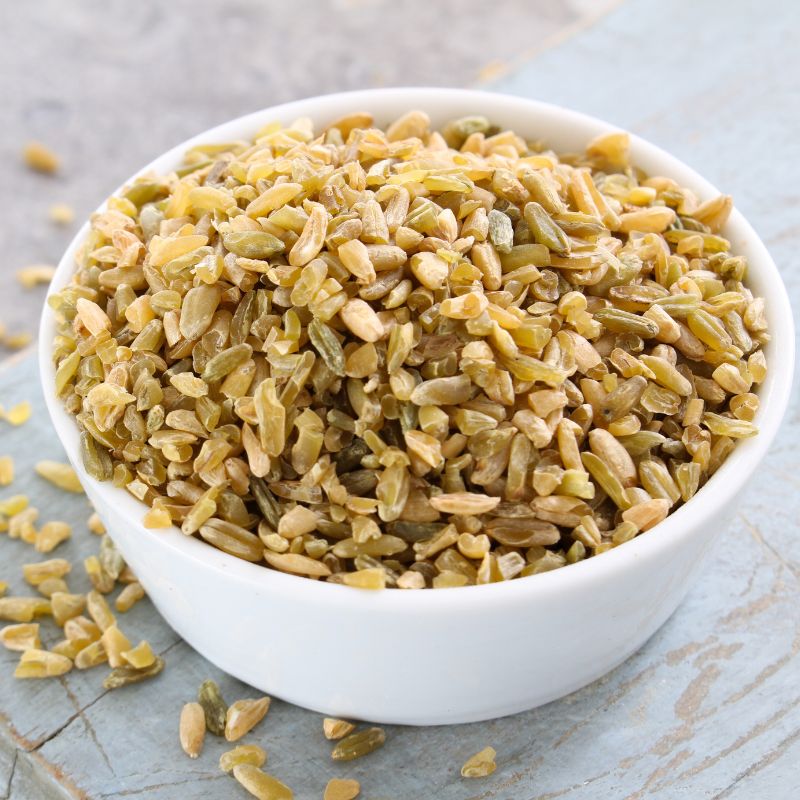
Ever heard of Freekeh? This young green wheat is a nutritional powerhouse!
It’s loaded with protein and fibre (about 8g of fibre and 5g of protein per 100g cooked), even more than quinoa, and packed with eye-healthy carotenoids (lutein and zeaxanthin) that protect your vision.
The antioxidants in freekeh are off the charts, making it a fantastic choice for anyone looking to boost their overall health. Plus, it’s got a great mix of vitamins and minerals (like iron, zinc, phosphorus, manganese and magnesium) that’ll keep your body running smoothly.
How to Cook Freekeh
Freekeh is simple to prepare:
- Use a 1:2 ratio of freekeh to water.
- Bring to a boil, then reduce the heat and simmer for 20 minutes.
- For the best, fluffiest texture, let it sit covered for another 5 minutes.
To enhance its smoky flavour, try cooking freekeh in vegetable stock instead of water.
Serving Ideas
Freekeh’s hearty, chewy texture and smoky flavour make it a versatile addition to any dish:
- Salads and Grain Bowls: Pair it with roasted vegetables, fresh herbs, and a drizzle of tahini dressing for a vibrant, easy meal.
- Middle Eastern Tabbouleh: Replace bulgur with freekeh for a unique twist on this classic dish with parsley, mint, tomatoes, and cucumber.
- Hearty Stews: Add freekeh to soups and stews, where its chewy texture and nutty flavour shine.
- Veggie Burgers: Use it as a base in homemade patties to add smoky depth and nutrition.
Fun fact: Freekeh gets its signature smoky flavour from a special harvesting process where young wheat kernels are roasted over fire.
Unlike many other ancient grains in this list, freekeh does contain gluten, so it’s not suitable for everyone. But if gluten isn’t an issue for you, you’re in for a treat! This Middle Eastern grain brings both amazing flavour and stellar nutrition to your plate.
4. Sorghum: The Drought-Resistant Superfood
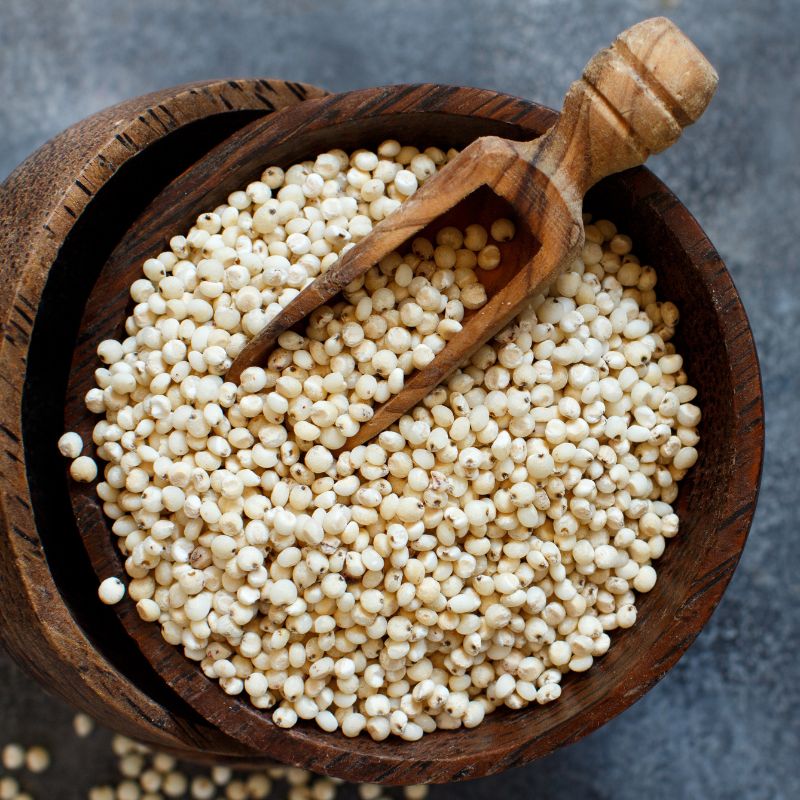
Looking for a nutrient-packed grain that’s as good for the planet as it is for your health? Meet sorghum!
This ancient grain is loaded with protein, fibre, and essential minerals like iron, phosphorus and magnesium. It’s especially rich in B vitamins, which help keep your energy levels steady throughout the day.
Loaded with polyphenols, sorghum helps combat oxidative stress and protect your body from cellular damage.
Sorghum is also naturally gluten-free, making it perfect for anyone with dietary restrictions.
How to Cook Sorghum
Cooking sorghum takes a bit of time, but it’s worth it for the chewy, hearty texture:
- Use a 1:3 ratio of sorghum to water.
- Simmer for 50–60 minutes until tender.
- For quicker preparation, soak the grains overnight to reduce cooking time to about 30 minutes.
You can also try to find pre-cooked or “minute” sorghum for a faster option. For added flavour, cook sorghum in vegetable stock instead of water.
Serving Ideas
Sorghum’s mild, slightly sweet flavour and chewy texture make it incredibly versatile:
- Soups and Stews: Add it to broths for extra heartiness.
- Side Dishes: Mix cooked sorghum with fresh herbs, a squeeze of lemon, and a drizzle of olive oil for a simple, flavourful accompaniment.
- Popped Sorghum: Pop it like popcorn for a crunchy, gluten-free snack that’s perfect for movie night.
- Baking: Use sorghum flour in pancakes, bread, or pastries for a sweet, nutty flavour that enhances baked goods.
Fun Fact: Sorghum is one of the world’s most sustainable crops. Its drought resistance means it uses less water, making it an eco-friendly choice.
Sorghum is a true all-rounder: nutritious, versatile, and sustainable. With its chewy texture, slightly sweet flavour, and impressive health benefits, it’s the perfect addition to your dishes.
5. Fonio: West Africa’s Best-Kept Secret

Looking for a grain that’s super gentle on your stomach? Meet fonio, a tiny West African grain that’s incredibly easy to digest!
It’s packed with essential amino acids, particularly methionine and cystine, that are essential for growth and tissue repair.
What makes it even better is its impressive mineral content – it’s loaded with magnesium and manganese, which help keep your bones strong and your energy levels up!
With a naturally low-calorie content when cooked, fonio is a light yet filling option in a balanced diet.
How to Cook Fonio
Want to know the best part about fonio? It’s super quick to cook, but its delicate nature requires attention to avoid overcooking:
- Use a 1:2 ratio of fonio to water.
- Bring the water to a boil, add fonio, cover, and remove from heat.
- Let it sit for 5 – 10 minutes, then fluff with a fork before serving.
For extra flavour, try cooking it in vegetable stock or adding a pinch of salt to the water.
Serving Ideas
Fonio’s fluffy, airy texture and nutty flavour make it a versatile addition to meals:
- Couscous Substitute: Use it in place of couscous in your favourite recipes, paired with roasted vegetables and sauces.
- Pilafs and Salads: Combine fonio with fresh herbs, raisins, almonds, or lemon juice for a vibrant pilaf or salad.
- Breakfast Porridge: Transform fonio into a sweet breakfast porridge with fruits, nuts, and a drizzle of maple syrup.
- Traditional Dishes: Try it in West African classics like jollof fonio, where its subtle, nutty flavour truly shines.
Fun Fact: Fonio has been a staple in West Africa for over 5,000 years and holds cultural significance as the “seed of the universe.” It thrives in poor soil and requires minimal water, making it an eco-friendly crop.
Its growing popularity worldwide highlights its adaptability and sustainability. Naturally gluten-free, fonio is proving that this tiny grain deserves a big place on your plate!
6. Millet: The Mild and Mellow All-Rounder

Want to boost your protein intake while getting a healthy dose of antioxidants? Millet is your answer!
This amazing grain is loaded with essential minerals like iron and potassium that keep your body running smoothly. Plus, it’s naturally gluten-free and easy to digest, making it perfect for sensitive tummies.
The best part? It’s packed with B vitamins (particularly niacin and folate) that help keep your energy levels up throughout the day.
Millet generally has a low to moderate glycemic index, depending on preparation, which helps keep blood sugar levels steady.
How to Cook Millet
There’s so much you can do with millet!
- For a fluffy texture, use a 1:2.5 ratio of millet to water and cook for 15-20 minutes.
- For a creamier texture, use more water (a 1:3 or 1:4 ratio).
- Toast millet in a dry pan before cooking to bring out its natural nuttiness and add depth to your dishes.
Serving Ideas
There’s so much you can do with millet! It’s neutral flavour and light, fluffy texture make it a blank canvas for both sweet and savoury dishes:
- Breakfast Porridge: Cook millet with your favourite plant milk, apples and cinnamon for a comforting morning meal.
- Rice Substitute: Use it in place of rice in stir-fries, grain bowls or pilafs.
- Gluten-Free Baking: Millet flour is fantastic in muffins, pancakes or other baked goods.
- Veggie Patties: Add cooked millet to veggie patties for extra binding power and nutrition.
- Hearty Stews: Toss it into soups and stews to add texture and a nutritional boost.
Fun Fact: Did you know there are several types of millet to choose from? Pearl millet is the most common, but finger millet and foxtail millet are gaining popularity too. Each variety has its own special qualities and subtle flavour differences.
Millet is one of the most resilient crops in the world. It thrives in dry, nutrient-poor soils, making it a sustainable choice and a key crop for food security in regions vulnerable to drought.
While it might not be as well-known in the UK as other grains, millet has been a staple food in many parts of Asia and Africa for thousands of years. Its quick cooking time and versatility make it a fantastic addition to any plant-based kitchen.
7. Kaniwa: Quinoa’s Lesser-Known Sibling

If you like quinoa, you’re going to love kaniwa. This tiny, dark-coloured seed is a relative of quinoa and shares many of its nutritional benefits.
Kaniwa is packed with protein, fibre, minerals (like iron and zinc) and antioxidants (flavonoids), making it a fantastic choice for nutrient-dense meals. It offers around 7-9g of protein and 7g of fibre per 100g cooked.
Naturally gluten-free, kaniwa is a safe option for those with gluten sensitivities.
How to Cook Kaniwa
Cooking kaniwa is quick and simple, making it an easy addition to your weekly meal prep:
- Use a 1:2 ratio of kaniwa to water.
- Bring the water to a boil, add kaniwa, reduce the heat, and simmer for 15–20 minutes until the liquid is absorbed.
- Fluff with a fork before serving.
No need to rinse kaniwa before cooking, it doesn’t have the bitter saponins that quinoa does!
Serving Ideas
Kaniwa’s nutty flavour and slightly crunchy texture work beautifully in a variety of dishes:
- Breakfast Bowl: Pair kaniwa with your favourite plant milk, fresh berries and a drizzle of maple syrup for a high-protein start to your day.
- Grain Bowls: Toss kaniwa with roasted vegetables, leafy greens and a zesty lemon-tahini dressing.
- Stuffed Vegetables: Use cooked kaniwa as a stuffing for bell peppers or zucchini for a hearty, protein-packed meal.
- Baking: Incorporate kaniwa flour into gluten-free muffins or cookies for a nutrient boost.
- Soups and Stews: Add kaniwa to brothy soups or hearty stews for extra texture and protein.
Fun Fact: Kaniwa has been cultivated in the Andes for thousands of years and was a staple for the ancient Inca civilization. It’s often called “baby quinoa” due to its size and similarity.
Like quinoa, kaniwa thrives in high altitudes and poor soil, making it a resilient crop that supports biodiversity in the Andes. Its adaptability makes it an important crop for small farmers in mountainous regions.
Why not give kaniwa a try and add it to your meal rotation for a delicious and nutrient-packed twist?
Bottom Line
Isn’t it amazing how many incredible grains are out there? Most of us have the same grains on repeat. Why not change that? These seven grains bring fresh flavours, boosted nutrition, and textures you won’t get from rice or pasta.
If you’re stuck in a rut, start with something easy: teff in your morning porridge, fonio as a fluffy side, or sorghum popped as a snack.
Trying new grains doesn’t just make food more fun, it supports a diverse, sustainable food system. You’re helping the planet and getting a protein boost while you’re at it.
Think of each grain as a new recipe waiting to happen. Experiment. Get creative. Bring a little global flavour to your kitchen. Let your taste buds travel.
Happy experimenting!

Jac has been vegan for 15 years – long enough to wonder if tofu owes her a loyalty card. Hailing from Scotland, she enjoys the breathtaking scenery and believes vegan haggis deserves more appreciation. A proud mum to a curious and energetic daughter, Jac spends her time hiking scenic trails, devouring books, practicing yoga, honing her badminton skills, and creating colourful artwork with her trusty colouring pens. She’s passionate about living a vibrant, compassionate, and cruelty-free life, all while championing the magic of tofu.