
Adopting a vegan lifestyle is one of the most impactful ways to fight climate change. By choosing plant-based meals, you’re cutting emissions, conserving resources, and protecting ecosystems -all while helping create a more sustainable future.
Let’s explore how going vegan benefits both the planet and its people!
1. Dramatically Reduces Greenhouse Gas Emissions

Animal agriculture is a major contributor to greenhouse gas emissions, pumping out methane and nitrous oxide at alarming rates.
A study from the University of Oxford found that adopting a vegan diet could cut food-related emissions by a whopping 70%. That’s a huge impact from simply changing what’s on your plate.
2. Preserves Precious Forest Ecosystems

Livestock farming is a leading cause of deforestation, especially in critical areas like the Amazon rainforest.
Cattle ranching is responsible for about 80% of deforestation in the Amazon. This land is often cleared using slash-and-burn techniques to create pastures for cattle, which significantly contributes to habitat destruction, biodiversity loss, and carbon emissions. Additionally, the demand for soy – used primarily as livestock feed -further exacerbates deforestation in the region
By reducing the demand for animal products, veganism helps preserve these vital ecosystems. Forests are our planet’s lungs, absorbing carbon dioxide and providing habitats for countless species. Every time you choose plants over animal products, you’re casting a vote for lush, thriving forests instead of barren grazing land.
3. Conserves Water Resources
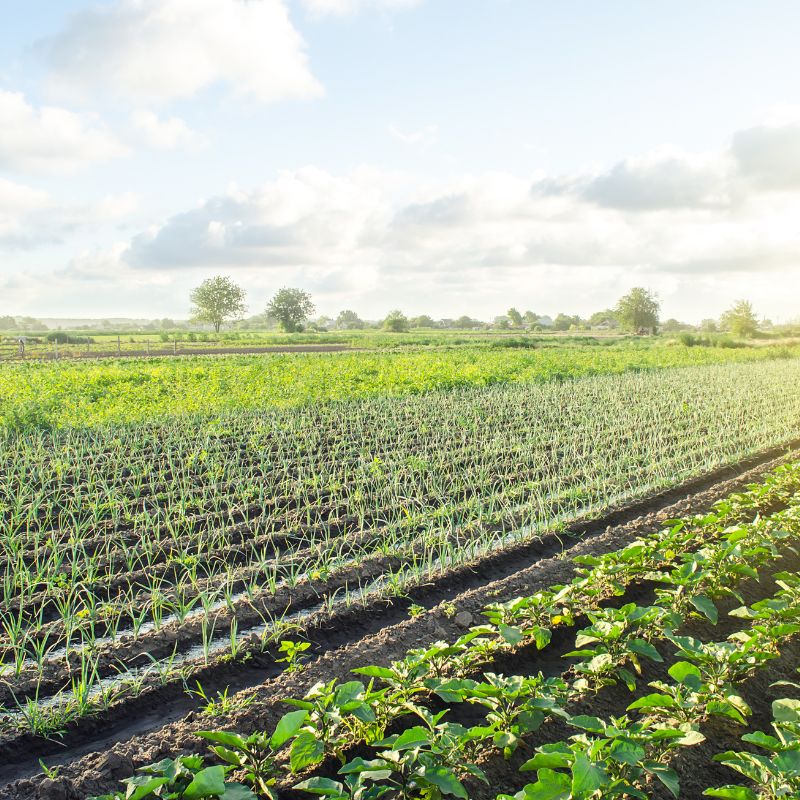
Water scarcity is a growing global concern, and animal agriculture is a major water guzzler. Producing just one pound of beef requires a staggering 6,800 litres (around 1,800 gallons) of water. That’s enough to fill a small swimming pool!
Plant-based foods, on the other hand, are much more water-efficient. The reason that animal agriculture consumes so much water, is primarily to grow feed for the animals.
Studies have shown that switching to plant-based diets could cut individual water use by as much as 50%. This conservation of water resources is crucial as we face increasing droughts and water shortages due to climate change.
4. Promotes Biodiversity

Our planet is experiencing its sixth mass extinction, with wildlife populations plummeting at an alarming rate. According to the World Wildlife Fund, we’ve lost 69% of wild animals in just the last 50 years. In some regions, like Latin America, the loss is as high as 94%.
Veganism helps combat this biodiversity crisis. By reducing the demand for land used in animal agriculture, we can preserve and restore natural habitats. This gives endangered species a fighting chance and helps maintain the delicate balance of our ecosystems.
5. Increases Food System Efficiency
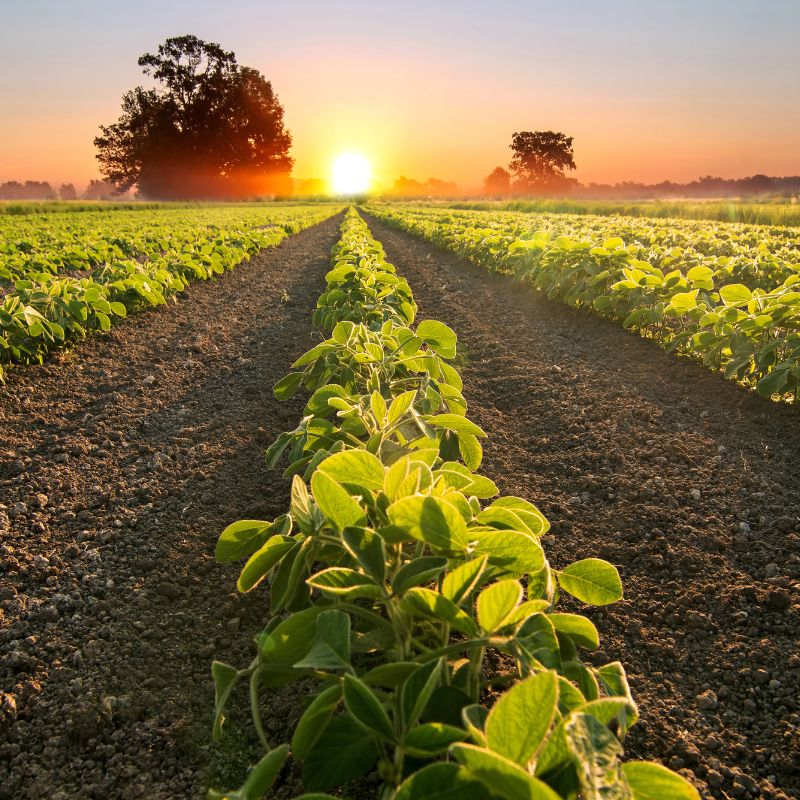
Here’s a mind-bending fact: only 4% of mammalian biomass on Earth is wild animals. The rest? It’s 34% humans and a whopping 62% livestock. (Source)
This imbalance highlights the inefficiency of our current food system.
Veganism addresses this inefficiency head-on. Plant-based diets require significantly less land and resources to produce the same amount of calories and nutrients. By cutting out the “middle animal” and eating plants directly, we can feed more people with less environmental impact.
And no, those 30 billion cows, sheep, pigs and chickens won’t ‘take over’ or start running down the street if we don’t eat them to ‘keep the numbers down’, according to what some people believe! They would simply be stopped from breeding so that future farm animals would not be born.
6. Reduces Pollution in Waterways
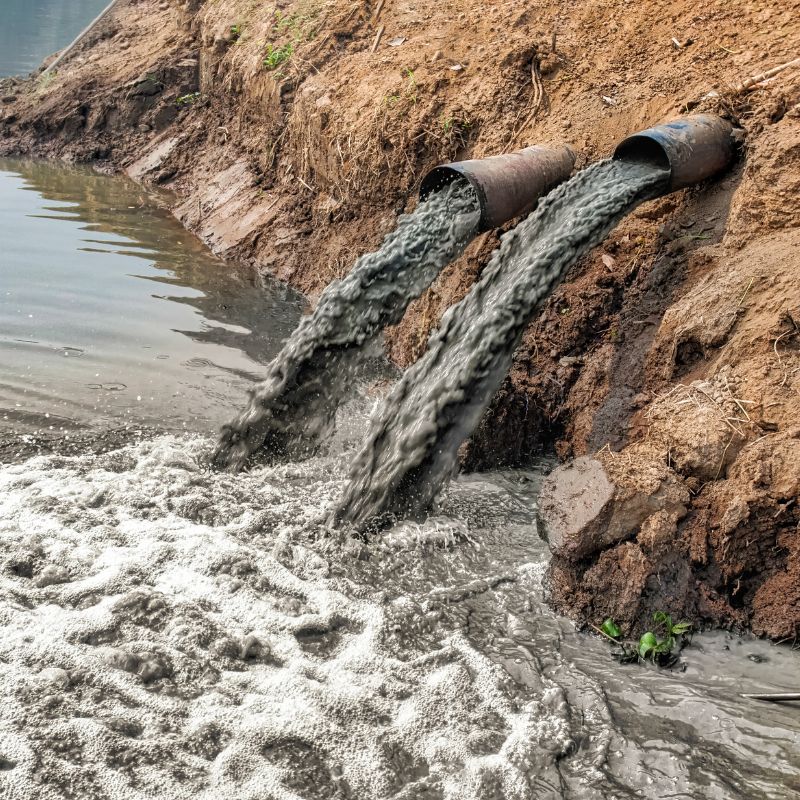
Animal agriculture isn’t just a climate issue – it’s a major source of water pollution too. Runoff from factory farms, laden with animal waste and chemical fertilizers, pollutes rivers, lakes, and oceans.
This runoff is rich in nutrients like nitrogen and phosphorus, which can cause harmful algal blooms. When these algae die, they decompose and deplete oxygen in the water, leading to “dead zones,” areas where aquatic life cannot survive.
One of the largest dead zones occurs in the Gulf of Mexico, where nutrient pollution from the Mississippi River contributes to oxygen depletion in the water, devastating marine ecosystems.
By choosing vegan, you’re helping to keep our waterways clean and thriving. It’s a simple way to protect both freshwater and marine ecosystems from your dinner plate.
7. Lowers Carbon Footprint of Food Transportation

While “food miles” aren’t the biggest factor in a meal’s carbon footprint, they do play a role. Here’s where veganism shines again. Plant-based foods generally have a lower transportation footprint than animal products.
This is partly because plants are often more locally available and have a longer shelf life than meat or dairy. Animal products, especially meat, often require more energy-intensive transportation methods due to their perishability and the need for constant refrigeration or freezing during transit
By choosing vegan options, you’re likely reducing the distance your food travels, further shrinking your carbon footprint.
8. Encourages Sustainable Agriculture Practices
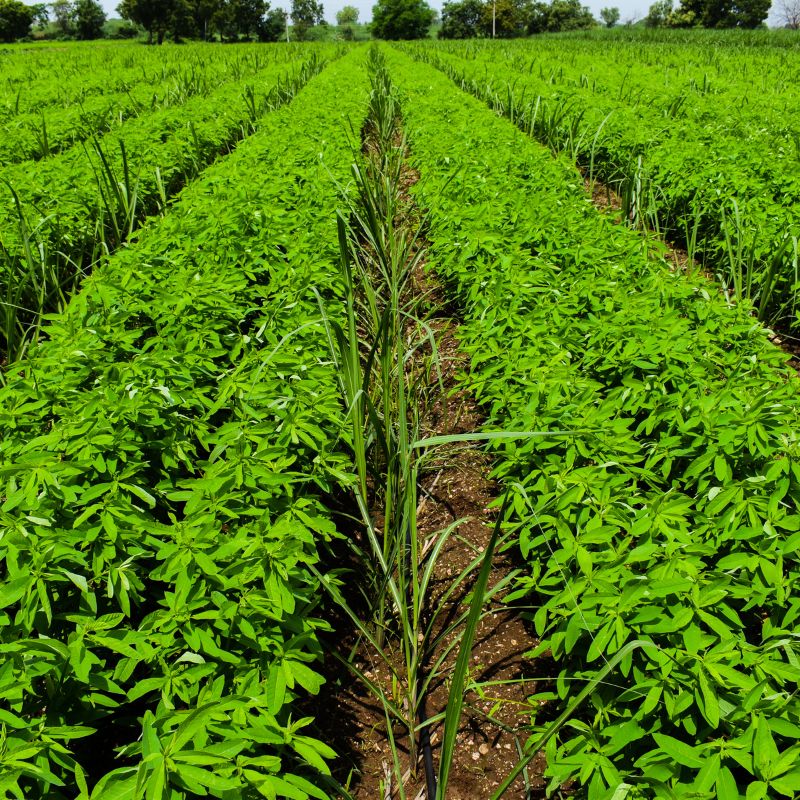
The vegan movement isn’t just about what we don’t eat – it’s also driving positive changes in how we grow food. As demand for plant-based options increases, there’s a growing focus on sustainable agriculture practices.
This includes methods like crop rotation, reduced tillage, and organic farming. These practices help build healthier soils that can better sequester carbon. By supporting the vegan food industry, you’re indirectly promoting these climate-friendly farming techniques.
9. Reduces Dependence on Fossil Fuels
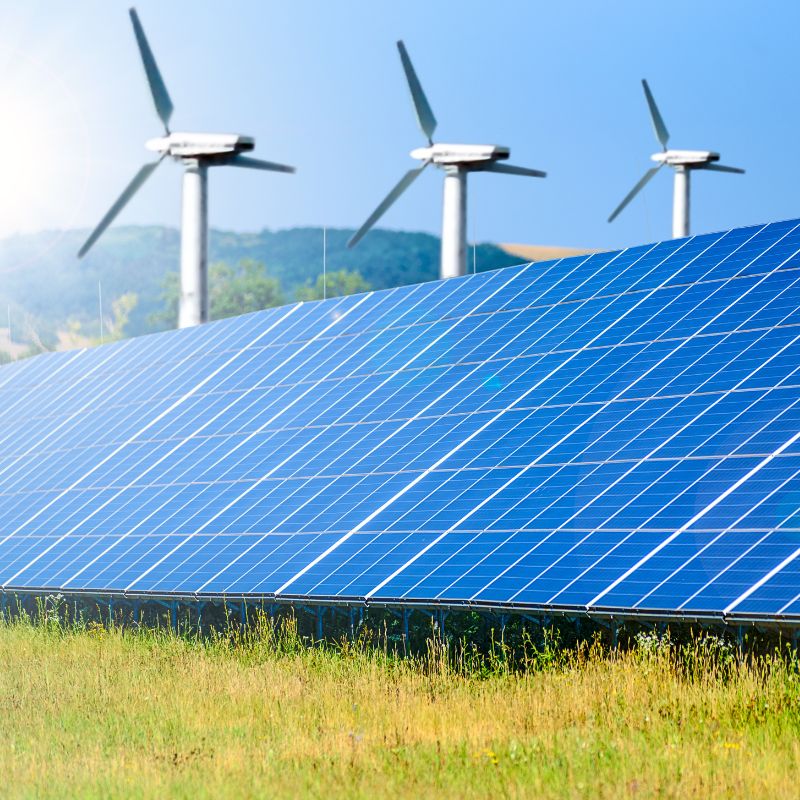
Animal agriculture is an energy-intensive industry, often relying heavily on fossil fuels. From powering factory farm operations to producing synthetic fertilizers for feed crops, the meat and dairy industries are deeply intertwined with fossil fuel use.
Veganism helps break this dependency. Plant-based agriculture generally requires less energy input, making it easier to transition to renewable energy sources. Growing crops directly for human consumption is far more energy-efficient than producing feed for livestock, which then goes through another energy-intensive step—raising animals.
By going vegan, you’re reducing the demand for fossil fuels and supporting a more sustainable energy future.
10. Inspires Broader Environmental Awareness

Embracing veganism often leads to a domino effect of environmental consciousness. When people start thinking critically about the impact of their food choices, it often spills over into other areas of their lives.
Vegans tend to become more aware of their overall environmental impact, leading to other eco-friendly choices like reducing plastic use, conserving energy, or supporting sustainable brands. This ripple effect of awareness can create powerful collective action for climate change mitigation.
The Bottom Line
The evidence is clear: veganism is a potent weapon in our fight against climate change. From slashing greenhouse gas emissions to preserving biodiversity, the environmental benefits of a plant-based diet are far-reaching and significant.
But it’s important to remember that veganism isn’t just about personal choice – it’s part of a larger movement towards sustainability. While individual actions matter, they must be coupled with broader systemic changes and policy reforms to tackle the climate crisis.
As we face the urgent challenge of climate change, veganism offers a tangible, immediate way for individuals to make a difference. Every plant-based meal is a step towards a more sustainable future.
So next time you sit down to eat, remember that your fork is a powerful tool for climate action. The planet will thank you for choosing veganism.

Jac has been vegan for 15 years – long enough to wonder if tofu owes her a loyalty card. Hailing from Scotland, she enjoys the breathtaking scenery and believes vegan haggis deserves more appreciation. A proud mum to a curious and energetic daughter, Jac spends her time hiking scenic trails, devouring books, practicing yoga, honing her badminton skills, and creating colourful artwork with her trusty colouring pens. She’s passionate about living a vibrant, compassionate, and cruelty-free life, all while championing the magic of tofu.