
Are you worried about getting enough protein on a vegan diet? You’re not alone. Many people believe it’s challenging to meet protein needs without animal products.
But the truth is, with a little knowledge and planning, it’s easy to get all the protein you need from plant-based sources.
We’ll explore six simple ways to boost your protein intake on a vegan diet. Whether you’re a long-time vegan or just starting your plant-based journey, these strategies will help you power up with protein.
1. Incorporate Beans and Legumes into Your Meals

Legumes are a protein powerhouse for vegans. They’re not only rich in protein but also packed with fibre, vitamins, and minerals.
Beans, lentils, and chickpeas are all excellent sources of plant-based protein. For example, 185g of cooked lentils typically provides around 17-18g of protein, depending on the variety of lentils (e.g., red, green, or brown), and 185g of cooked black beans offer around 15g.
Here are some creative ways to include legumes in your meals:
- Start your day with a chickpea flour omelette or a smoothie with white beans for added creaminess and protein.
- Add lentils to your salads or grain bowls for a protein-packed lunch.
- Make a hearty bean chilli or lentil stew for dinner.
- Snack on roasted chickpeas or homemade hummus with veggie sticks.
- Use beans and legumes in your baking. Black bean brownies are delicious!
Legumes aren’t just about protein. They’re also rich in complex carbohydrates, which provide sustained energy throughout the day.
2. Embrace Soy Products as Versatile Protein Sources
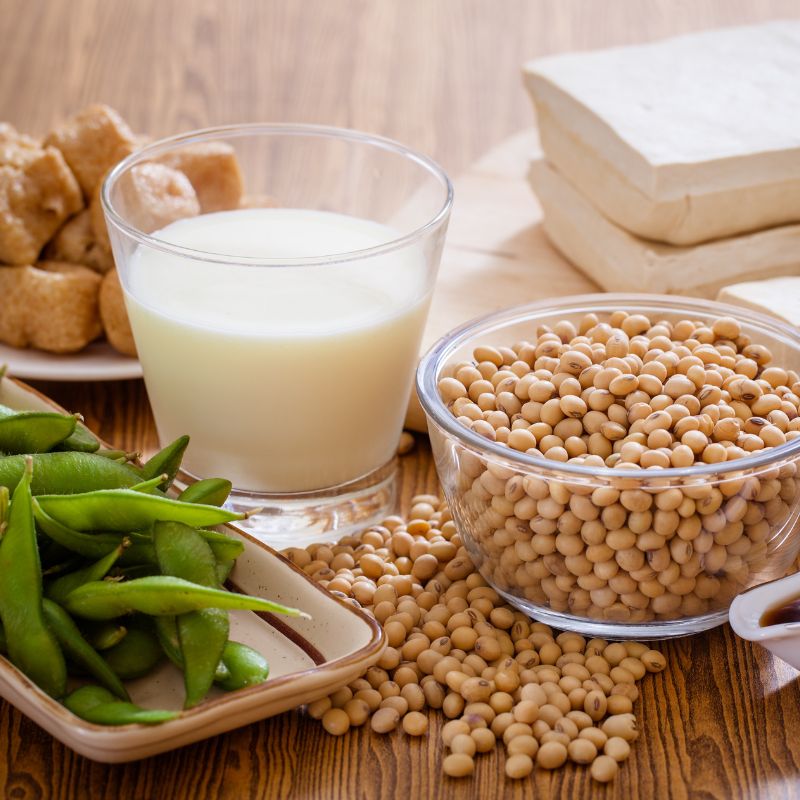
Soy products are among the most protein-rich plant foods available. They’re complete proteins, containing all nine essential amino acids our bodies need.
Tofu, tempeh, edamame and TVP (textured vegetable protein) are excellent sources of soy protein.
Here’s how much protein is in 100g of each:
- Tofu: 8g
- Tempeh: 19g
- Edamame: 11g
- TVP: 50g
Depending on the brand/type, the amount of protein may vary but that’s a general idea.
Tofu is incredibly versatile. You can scramble it for breakfast, grill it for sandwiches, or cube it for stir-fries.
Silken tofu is great in smoothies, sauces/dressings, soups and desserts like mousse or puddings.
Consider switching to soy milk. It’s higher in protein, usually 7g in 250ml, and there’s an Alpro high-protein soy milk with 12.5g per 250ml!
Compared to other plant milks like almond (1g in 250ml) or oat (3g in 250ml), soy milk is the better choice.
Suggested read: Almond Milk vs Soy Milk – Which Is Healthier?
Tempeh has a nutty flavour and firm texture, making it great for sandwiches or as a meat substitute in recipes. Try crumbling tempeh into sauces for a meaty texture in pasta dishes.
Edamame beans are easy to toss into soups, salads, pastas, grain bowls or just as a snack on their own. You could even whip them into a hummus-like dip!
TVP is perfect for spaghetti bolognese, taco filling, chilli and meatballs. It might seem weird, but adding TVP to your oats is also a great way to sneak in more protein!
3. Experiment with Plant-Based Protein Powders
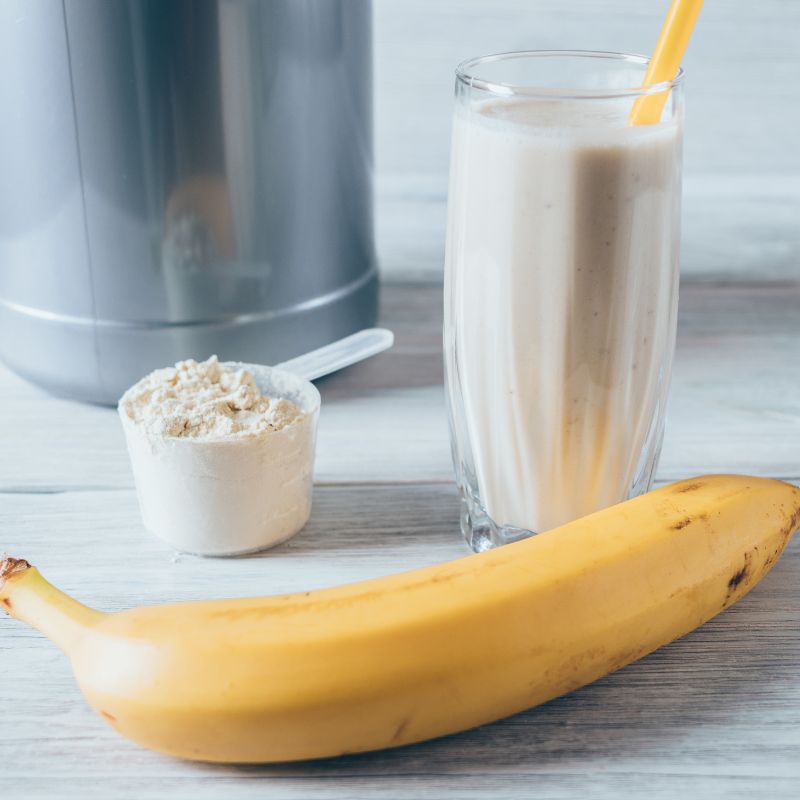
Protein powders can be a convenient way to boost your protein intake for the day.
There are several types of vegan protein powders available:
- Pea protein: High in branched-chain amino acids (BCAAs), especially leucine, which supports muscle growth and recovery.
- Hemp protein: Contains omega-3 fatty acids and is easily digestible.
- Rice protein: Tends to be lower in lysine, an essential amino acid, so it’s often combined with other proteins (like pea protein) to create a complete amino acid profile.
- Blended plant proteins: These typically include a mix of pea, rice, hemp, or other plant proteins, designed to provide a more balanced nutritional profile, including all essential amino acids.
Here are some ways to incorporate protein powders into your diet:
- Add a scoop to your morning smoothie for a protein-packed breakfast.
- Mix into oatmeal or overnight oats for a higher-protein start to your day.
- Use in baking to make protein-rich muffins, pancakes, or energy bars.
When choosing a protein powder, look for ones with minimal additives and low/no added sugars.
4. Snack on High-Protein Seeds and Nuts
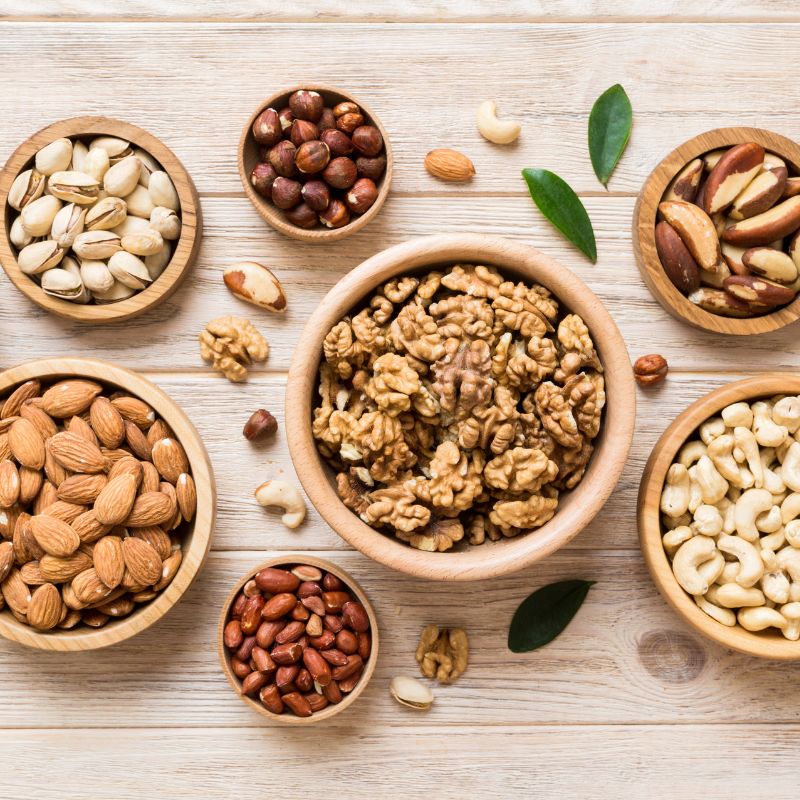
Seeds and nuts are not only rich in protein but also provide healthy fats, fibre, and various micronutrients.
Some protein-rich options include:
- Pumpkin seeds: 29g of protein per 100g
- Hemp seeds: 32g of protein per 100g
- Almonds: 24g of protein per 100g
- Pistachios: 21g of protein per 100g
Incorporate these into your diet by:
- Sprinkling seeds on your salads or soups for added crunch and protein.
- Making your own trail mix with a variety of nuts and seeds for a high-protein snack.
- Adding nut butter to smoothies or spreading it on whole-grain toast.
- Using ground flaxseeds or chia seeds in baking or as an egg replacer in recipes.
While nuts and seeds are nutritious, they’re also calorie-dense. Be mindful of portion sizes, especially if you’re watching your calorie intake.
5. Choose Protein-Rich Grains and Pasta Alternatives
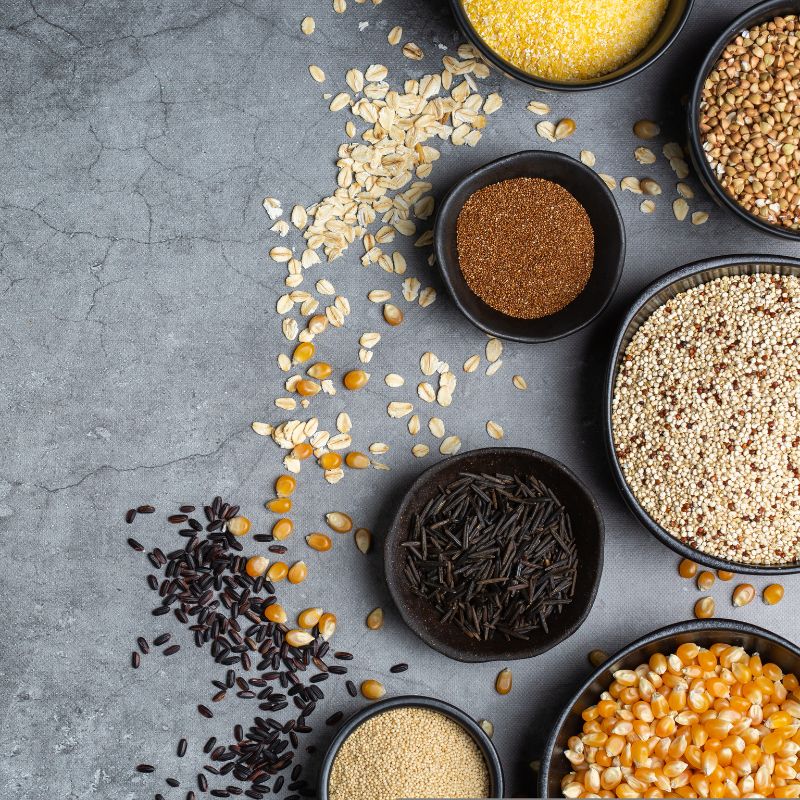
Many people don’t realise that grains can be a good source of protein. Some grains are particularly high in protein and can significantly contribute to your daily intake.
Quinoa, often called a “complete protein,” contains all nine essential amino acids. 185g of cooked quinoa provides about 8g of protein.
Other higher protein grains include:
- Amaranth: 9 grams of protein per 185g (1 cooked cup)
- Teff: 10 grams of protein per 185g (1 cooked cup)
- Spelt: 11 grams of protein per 185g (1 cooked cup)
There are now many protein-enriched pasta options available. These are often made from legumes or alternative flours and can contain significantly more protein than traditional wheat pasta.
For example:
- Chickpea pasta: Up to 17g of protein per 75g serving
- Lentil pasta: About 16g of protein per 75g serving
- Edamame pasta: Around 32g per 75g serving
These are estimates and can vary by brand.
To incorporate these into your meals:
- Use quinoa as a base for Buddha bowls or salads.
- Make a warm breakfast porridge with amaranth or teff.
- Swap your regular pasta for a legume-based alternative in your favourite pasta dishes.
Little, easy swaps like these add up over the course of your day.
Suggested read: 7 Grains You’ve Probably Never Tried But Should Add to Your Vegan Diet
6. Explore Meat Alternatives and Seitan
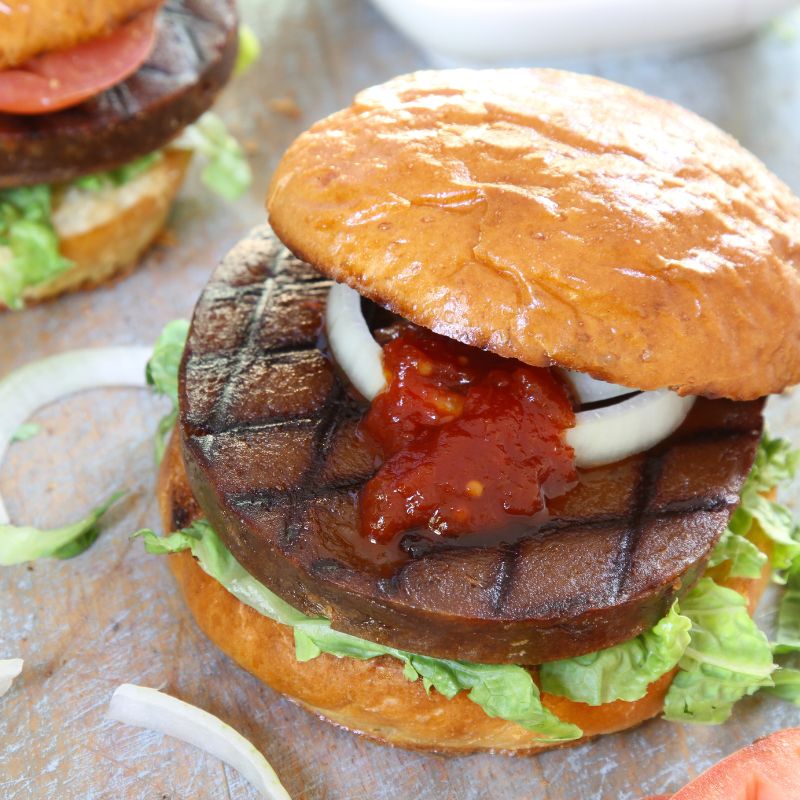
For those missing the texture of meat or looking for concentrated protein sources, meat alternatives and seitan can be excellent options.
Seitan, or wheat gluten, is particularly high in protein. A 100g serving can contain up to 75g of protein, making it one of the most protein-dense plant foods available. It has a chewy texture that makes it a popular meat substitute in many dishes.
To use seitan:
- Slice and pan-fry it for sandwiches or wraps.
- Cube and add to stir-fries, stews or salads.
- Grill seitan steaks for a high-protein main dish.
Other plant-based meat alternative brands, such as Linda McCartney, Meatless Farm, Vivera, The Vegetarian Butcher, THIS and Beyond Meat, can also be good sources of protein. However, these are more processed and should be consumed in moderation as part of a balanced diet.
The Bottom Line
Getting enough protein on a vegan diet is not only possible but can be easy and delicious. By incorporating a variety of legumes, soy products, seeds, nuts, whole grains, and plant-based alternatives, you can meet your protein needs while enjoying a diverse and nutritious diet.
Remember, it’s not just about protein. A well-planned vegan diet can provide all the nutrients you need for optimal health. Don’t forget to include a wide range of fruits, vegetables, and whole grains to ensure you’re getting a full spectrum of vitamins, minerals, and antioxidants.
Experiment with different protein sources and recipes to find what works best for you. With these six strategies, you’ll be well on your way to powering your plant-based lifestyle with plenty of protein.
Embrace the abundance of plant-based options available and enjoy the journey of nourishing your body with compassionate, sustainable, and healthy choices.

Jac has been vegan for 15 years – long enough to wonder if tofu owes her a loyalty card. Hailing from Scotland, she enjoys the breathtaking scenery and believes vegan haggis deserves more appreciation. A proud mum to a curious and energetic daughter, Jac spends her time hiking scenic trails, devouring books, practicing yoga, honing her badminton skills, and creating colourful artwork with her trusty colouring pens. She’s passionate about living a vibrant, compassionate, and cruelty-free life, all while championing the magic of tofu.
Hey, does anyone know how soy products might affect hormone levels? I’ve been reading mixed things and wondering if it’s cool to have soy every day.
It’s a common concern, but most research suggests that soy has minimal influence on hormone levels in humans when consumed in moderation. Including a variety of protein sources in your diet is the best approach.
protein powders are a game changer for my workouts. never thought plant-based ones could cut it till i tried. any favs anyone?
Great, another thing for vegans to talk endlessly about. As if my lunch break wasn’t fun enough dodging meat-themed moral debates.
I’ve been adding beans and legumes to our family meals for a while now, and it’s incredible how versatile and nutritious they are. Any favourite recipes out there?
Absolutely love seitan. It’s a game-changer for those who miss the texture of meat. It also absorbs flavors so well, making it perfect for a variety of dishes.
What even is seitan? Sounds like a ritual rather than a food item lol.
Haha, good one! But seriously, seitan is made from wheat gluten and is an excellent source of protein for vegan and vegetarian diets. Worth trying if you’re curious!